Buy eulakes.eu ?
We are moving the project
eulakes.eu .
Are you interested in purchasing the domain
eulakes.eu ?
domain@kv-gmbh.de · 0541-91531010
Buy eulakes.eu ?
'Ceiling or wall first in drywall construction?'
In drywall construction, it is generally recommended to install the ceiling first before the walls. This is because it allows for a more seamless and secure installation of the ceiling drywall without any obstructions from the walls. Additionally, installing the ceiling first can help to provide better support for the walls and ensure a more even and level finish. However, the specific order of installation may vary depending on the specific requirements of the project and the preferences of the contractor. **
How do you sand a wall or ceiling?
To sand a wall or ceiling, you will need to start by preparing the surface by removing any loose paint or texture. Then, use a sanding pole or sanding block to sand the surface in a circular motion, working from top to bottom. Be sure to use a fine-grit sandpaper to avoid creating deep scratches in the surface. After sanding, wipe down the surface with a damp cloth to remove any dust and debris before applying a new coat of paint or texture. **

Similar search terms for Urbanest-Ceiling-or-Wall
Top-Angebote
Products related to Urbanest-Ceiling-or-Wall:
-
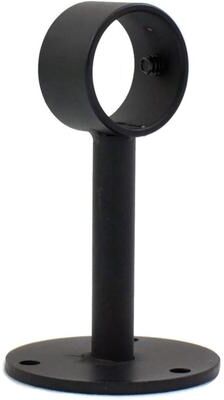
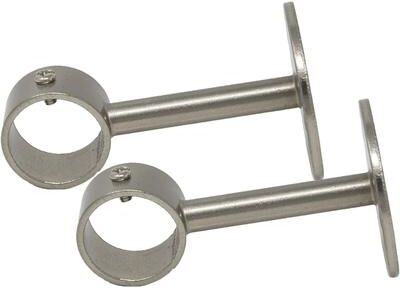
Urbanest Ceiling or Wall Bracket for 1 1/8-inch Rod, 2 Pieces"Ceiling bracket fits rods between 7/8"" and 1 1/8"". Can be used on ceiling or wall. The bracket measures 3 7/16"" long, 2 3/4"" from the end of bracket to the center of the loop."31,49 $*Shipping: 0,00 $Secure redirect to the provider
-
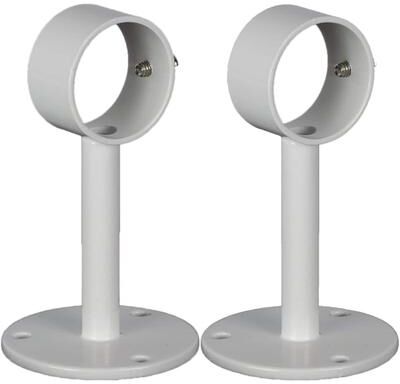
Urbanest Ceiling or Wall Bracket for 1 1/8-inch Rod, 2 Pieces"Ceiling bracket fits rods between 7/8"" and 1 1/8"". Can be used on ceiling or wall. The bracket measures 3 7/16"" long, 2 3/4"" from the end of bracket to the center of the loop."30,49 $*Shipping: 0,00 $Secure redirect to the provider
-
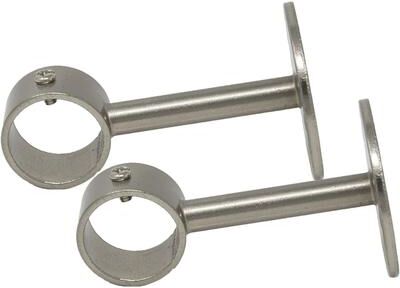
Urbanest Ceiling or Wall Bracket for 1 1/8-inch Rod, 2 Pieces"Ceiling bracket fits rods between 7/8"" and 1 1/8"". Can be used on ceiling or wall. The bracket measures 3 7/16"" long, 2 3/4"" from the end of bracket to the center of the loop."31,49 $*Shipping: 0,00 $Secure redirect to the provider
-
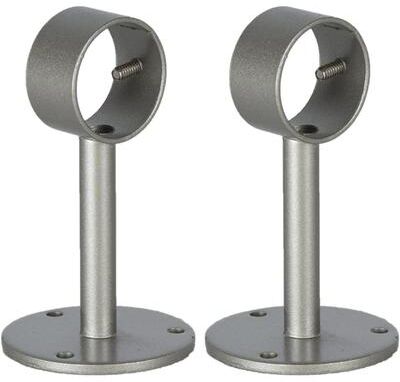
Urbanest Ceiling or Wall Bracket for 1 1/8-inch Rod, 2 Pieces"Ceiling bracket fits rods between 7/8"" and 1 1/8"". Can be used on ceiling or wall. The bracket measures 3 7/16"" long, 2 3/4"" from the end of bracket to the center of the loop."30,49 $*Shipping: 0,00 $Secure redirect to the provider

-
Is a wall a ceiling?
No, a wall is not a ceiling. A wall is a vertical structure that separates or encloses an area, while a ceiling is the upper interior surface of a room. Walls and ceilings serve different functions in a building and are constructed and designed differently. While both are part of the structure of a building, they are distinct architectural elements with different purposes. **
-
What is in the ceiling wall?
The ceiling wall typically contains insulation material to help regulate the temperature inside the building. It may also have electrical wiring, plumbing pipes, and HVAC ductwork running through it. In some cases, there may be structural beams or supports that help hold up the ceiling. Additionally, the ceiling wall may have lighting fixtures or speakers installed for functionality and aesthetics. **
-
Is this wall and ceiling mold?
Without a visual reference, it is difficult to definitively determine if the substance on the wall and ceiling is mold. However, common signs of mold growth include a musty odor, discoloration, and a fuzzy or slimy texture. If you suspect mold growth, it is recommended to have a professional inspection to accurately identify the substance and determine the best course of action for remediation. **
-
How can one repair the wall ceiling?
To repair a wall ceiling, start by removing any damaged or loose plaster or drywall. Then, fill in any holes or cracks with spackle or joint compound and smooth it out with a putty knife. Once the compound is dry, sand it down to create a smooth surface. Finally, apply a coat of primer and then paint to match the rest of the ceiling. If the damage is extensive, it may be best to consult a professional for repair. **

How do I drill a network cable through the wall or ceiling?
To drill a network cable through a wall or ceiling, you will need a power drill, a long drill bit, a cable fish tape, and the network cable itself. First, determine the best location for the cable to pass through the wall or ceiling, taking into account any obstacles or obstructions. Use the power drill and long drill bit to create a hole large enough for the cable to pass through. Next, use the cable fish tape to guide the network cable through the hole and into the desired location. Be sure to secure the cable properly to prevent it from getting damaged or tangled. **
Why can't I drill a hole in the ceiling or concrete wall?
Drilling a hole in a ceiling or concrete wall requires specialized tools and techniques due to the hardness and density of the materials. Regular household drills may not be powerful enough to penetrate concrete or support the weight of the drill. Additionally, drilling into a ceiling or wall can potentially damage electrical wiring, plumbing, or structural components hidden behind the surface. It is important to use the appropriate tools and seek professional advice to ensure the job is done safely and effectively. **
Top-Angebote
Products related to Urbanest-Ceiling-or-Wall:
-
Urbanest Ceiling or Wall Bracket for 1 1/8-inch Rod, 2 Pieces"Ceiling bracket fits rods between 7/8"" and 1 1/8"". Can be used on ceiling or wall. The bracket measures 3 7/16"" long, 2 3/4"" from the end of bracket to the center of the loop."30,49 $*Shipping: 0,00 $Secure redirect to the provider
-
Urbanest "Set of 2 Ceiling or Wall Brackets for 7/8"" Curtain Drapery Rod""Curtain drapery rod ceiling bracket with mounting hardware. Projection is 2 3/4"" to the center of the loop. Total bracket length measures 3 3/8"". Fits 7/8"" diameter rods. Can be used on ceiling or wall."24,73 $*Shipping: 0,00 $Secure redirect to the provider
-
Urbanest Ceiling or Wall Bracket for 1 1/8-inch Rod, 2 Pieces"Ceiling bracket fits rods between 7/8"" and 1 1/8"". Can be used on ceiling or wall. The bracket measures 3 7/16"" long, 2 3/4"" from the end of bracket to the center of the loop."31,49 $*Shipping: 0,00 $Secure redirect to the provider
-
Urbanest Ceiling or Wall Bracket for 1 1/8-inch Rod, 2 Pieces"Ceiling bracket fits rods between 7/8"" and 1 1/8"". Can be used on ceiling or wall. The bracket measures 3 7/16"" long, 2 3/4"" from the end of bracket to the center of the loop."30,49 $*Shipping: 0,00 $Secure redirect to the provider
-
'Ceiling or wall first in drywall construction?'
In drywall construction, it is generally recommended to install the ceiling first before the walls. This is because it allows for a more seamless and secure installation of the ceiling drywall without any obstructions from the walls. Additionally, installing the ceiling first can help to provide better support for the walls and ensure a more even and level finish. However, the specific order of installation may vary depending on the specific requirements of the project and the preferences of the contractor. **
-
How do you sand a wall or ceiling?
To sand a wall or ceiling, you will need to start by preparing the surface by removing any loose paint or texture. Then, use a sanding pole or sanding block to sand the surface in a circular motion, working from top to bottom. Be sure to use a fine-grit sandpaper to avoid creating deep scratches in the surface. After sanding, wipe down the surface with a damp cloth to remove any dust and debris before applying a new coat of paint or texture. **
-
Is a wall a ceiling?
No, a wall is not a ceiling. A wall is a vertical structure that separates or encloses an area, while a ceiling is the upper interior surface of a room. Walls and ceilings serve different functions in a building and are constructed and designed differently. While both are part of the structure of a building, they are distinct architectural elements with different purposes. **
-
What is in the ceiling wall?
The ceiling wall typically contains insulation material to help regulate the temperature inside the building. It may also have electrical wiring, plumbing pipes, and HVAC ductwork running through it. In some cases, there may be structural beams or supports that help hold up the ceiling. Additionally, the ceiling wall may have lighting fixtures or speakers installed for functionality and aesthetics. **
Similar search terms for Urbanest-Ceiling-or-Wall
-
Urbanest Ceiling or Wall Bracket for 1 1/8-inch Rod, 2 Pieces"Ceiling bracket fits rods between 7/8"" and 1 1/8"". Can be used on ceiling or wall. The bracket measures 3 7/16"" long, 2 3/4"" from the end of bracket to the center of the loop."31,49 $*Shipping: 0,00 $Secure redirect to the provider
-
Urbanest Ceiling or Wall Bracket for 1 1/8-inch Rod, 2 Pieces"Ceiling bracket fits rods between 7/8"" and 1 1/8"". Can be used on ceiling or wall. The bracket measures 3 7/16"" long, 2 3/4"" from the end of bracket to the center of the loop."30,49 $*Shipping: 0,00 $Secure redirect to the provider
-
Urbanest Ceiling or Wall Bracket for 1 1/8-inch Rod, 2 Pieces"Ceiling bracket fits rods between 7/8"" and 1 1/8"". Can be used on ceiling or wall. The bracket measures 3 7/16"" long, 2 3/4"" from the end of bracket to the center of the loop."32,99 $*Shipping: 0,00 $Secure redirect to the provider
-
Urbanest "Set of 2 Ceiling or Wall Brackets for 7/8"" Curtain Drapery Rod""Curtain drapery rod ceiling bracket with mounting hardware. Projection is 2 3/4"" to the center of the loop. Total bracket length measures 3 3/8"". Fits 7/8"" diameter rods. Can be used on ceiling or wall."24,09 $*Shipping: 0,00 $Secure redirect to the provider
-
Is this wall and ceiling mold?
Without a visual reference, it is difficult to definitively determine if the substance on the wall and ceiling is mold. However, common signs of mold growth include a musty odor, discoloration, and a fuzzy or slimy texture. If you suspect mold growth, it is recommended to have a professional inspection to accurately identify the substance and determine the best course of action for remediation. **
-
How can one repair the wall ceiling?
To repair a wall ceiling, start by removing any damaged or loose plaster or drywall. Then, fill in any holes or cracks with spackle or joint compound and smooth it out with a putty knife. Once the compound is dry, sand it down to create a smooth surface. Finally, apply a coat of primer and then paint to match the rest of the ceiling. If the damage is extensive, it may be best to consult a professional for repair. **
-
How do I drill a network cable through the wall or ceiling?
To drill a network cable through a wall or ceiling, you will need a power drill, a long drill bit, a cable fish tape, and the network cable itself. First, determine the best location for the cable to pass through the wall or ceiling, taking into account any obstacles or obstructions. Use the power drill and long drill bit to create a hole large enough for the cable to pass through. Next, use the cable fish tape to guide the network cable through the hole and into the desired location. Be sure to secure the cable properly to prevent it from getting damaged or tangled. **
-
Why can't I drill a hole in the ceiling or concrete wall?
Drilling a hole in a ceiling or concrete wall requires specialized tools and techniques due to the hardness and density of the materials. Regular household drills may not be powerful enough to penetrate concrete or support the weight of the drill. Additionally, drilling into a ceiling or wall can potentially damage electrical wiring, plumbing, or structural components hidden behind the surface. It is important to use the appropriate tools and seek professional advice to ensure the job is done safely and effectively. **
* All prices are inclusive of VAT and, if applicable, plus shipping costs. The offer information is based on the details provided by the respective shop and is updated through automated processes. Real-time updates do not occur, so deviations can occur in individual cases. ** Note: Parts of this content were created by AI.