Buy eulakes.eu ?
We are moving the project
eulakes.eu .
Are you interested in purchasing the domain
eulakes.eu ?
domain@kv-gmbh.de · 0541-91531010
Buy eulakes.eu ?
What is water as a solvent?
Water is considered a universal solvent because it has the ability to dissolve a wide variety of substances. This is due to its polar nature, with the oxygen atom having a slight negative charge and the hydrogen atoms having a slight positive charge. This polarity allows water to interact with and dissolve other polar or charged molecules, such as salts, sugars, and some proteins. Water's ability to dissolve so many different substances makes it essential for many biological and chemical processes. **
Is the solvent heavier or lighter than water?
The solvent is heavier than water. This is because the solvent has a higher density compared to water, which means that it weighs more per unit volume. As a result, the solvent will sink in water rather than float on top of it. **

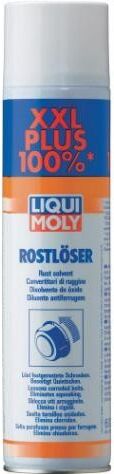
Similar search terms for Solvent
Top-Angebote
Products related to Solvent:

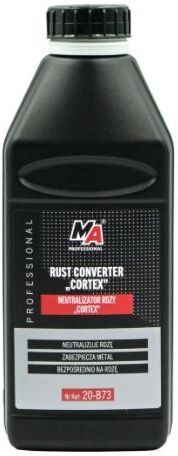
-
Is the existing glaze water-based or solvent-based?
The existing glaze is water-based. This can be determined by checking the product label or Material Safety Data Sheet (MSDS) for the glaze, which should specify whether it is water-based or solvent-based. Additionally, water-based glazes are typically easier to clean up with water and have a milder odor compared to solvent-based glazes. **
-
Is the existing stain water-based or solvent-based?
To determine if the existing stain is water-based or solvent-based, you can perform a simple test. Apply a small amount of water to the stained surface and rub it gently. If the stain starts to dissolve or smudge, it is likely water-based. If the stain remains intact, it is probably solvent-based. Additionally, you can check the product label or manufacturer's instructions for information on the type of stain used. **
-
What is a hard solvent?
A hard solvent is a type of solvent that has a high solvency power and is capable of dissolving a wide range of substances, including oils, greases, and waxes. These solvents are often used in industrial cleaning applications, such as degreasing metal parts or removing tough stains. Hard solvents are typically more aggressive and can pose health and environmental risks, so they should be handled with care and used in well-ventilated areas. Examples of hard solvents include mineral spirits, acetone, and methyl ethyl ketone. **
-
What is the strongest solvent?
The strongest solvent is typically considered to be sulfuric acid. It is a highly corrosive and powerful acid that can dissolve a wide range of materials, including metals, organic compounds, and even some plastics. Sulfuric acid is commonly used in industrial processes, laboratory settings, and chemical manufacturing due to its ability to dissolve a variety of substances. However, it is important to handle sulfuric acid with extreme caution due to its highly corrosive nature. **


Is ethanol a universal solvent?
Ethanol is not considered a universal solvent because it cannot dissolve all substances. While ethanol is a good solvent for many organic compounds, it may not dissolve certain inorganic substances or nonpolar molecules. Water is often considered a universal solvent because it can dissolve a wide range of substances due to its polar nature. Ethanol's solvent properties are limited to certain types of compounds, making it not universally effective for dissolving all substances. **
Can you use solvent-based paint over water-based primer?
Yes, you can use solvent-based paint over water-based primer. However, it is important to ensure that the water-based primer has fully dried before applying the solvent-based paint. Additionally, it is recommended to lightly sand the primer before applying the solvent-based paint to ensure proper adhesion. Always follow the manufacturer's recommendations for compatibility between different types of paint and primer. **
Top-Angebote
Products related to Solvent:
-
PRESTO 157233 Rust SolventOperating temperature from [°C]: 5; Operating temperature to [°C]: 30; Container Type: aerosol; Capacity [ml]: 400; Height: 201; Width [mm]: 69; Depth [mm]: 69; Weight [kg]: 0,346; Observe service information: ; Liquid:5,99 £*Shipping: 8,45 £Secure redirect to the provider
-
What is water as a solvent?
Water is considered a universal solvent because it has the ability to dissolve a wide variety of substances. This is due to its polar nature, with the oxygen atom having a slight negative charge and the hydrogen atoms having a slight positive charge. This polarity allows water to interact with and dissolve other polar or charged molecules, such as salts, sugars, and some proteins. Water's ability to dissolve so many different substances makes it essential for many biological and chemical processes. **
-
Is the solvent heavier or lighter than water?
The solvent is heavier than water. This is because the solvent has a higher density compared to water, which means that it weighs more per unit volume. As a result, the solvent will sink in water rather than float on top of it. **
-
Is the existing glaze water-based or solvent-based?
The existing glaze is water-based. This can be determined by checking the product label or Material Safety Data Sheet (MSDS) for the glaze, which should specify whether it is water-based or solvent-based. Additionally, water-based glazes are typically easier to clean up with water and have a milder odor compared to solvent-based glazes. **
-
Is the existing stain water-based or solvent-based?
To determine if the existing stain is water-based or solvent-based, you can perform a simple test. Apply a small amount of water to the stained surface and rub it gently. If the stain starts to dissolve or smudge, it is likely water-based. If the stain remains intact, it is probably solvent-based. Additionally, you can check the product label or manufacturer's instructions for information on the type of stain used. **
Similar search terms for Solvent
-
Skip's Garage Outdoors Vintage Fishing Flies Cornhole Boards"Includes: (2) ACA Regulation Size Cornhole Boards. Boards are Regulation 24"" Wide x 48"" Long. Easily Add All-Weather Resin Filled Bags. Add Accessories like a Carrying Case or Board Lights. Lights are Multicolor and Easily Change Colors & Modes."304,49 $*Shipping: 0,00 $Secure redirect to the provider
-
What is a hard solvent?
A hard solvent is a type of solvent that has a high solvency power and is capable of dissolving a wide range of substances, including oils, greases, and waxes. These solvents are often used in industrial cleaning applications, such as degreasing metal parts or removing tough stains. Hard solvents are typically more aggressive and can pose health and environmental risks, so they should be handled with care and used in well-ventilated areas. Examples of hard solvents include mineral spirits, acetone, and methyl ethyl ketone. **
-
What is the strongest solvent?
The strongest solvent is typically considered to be sulfuric acid. It is a highly corrosive and powerful acid that can dissolve a wide range of materials, including metals, organic compounds, and even some plastics. Sulfuric acid is commonly used in industrial processes, laboratory settings, and chemical manufacturing due to its ability to dissolve a variety of substances. However, it is important to handle sulfuric acid with extreme caution due to its highly corrosive nature. **
-
Is ethanol a universal solvent?
Ethanol is not considered a universal solvent because it cannot dissolve all substances. While ethanol is a good solvent for many organic compounds, it may not dissolve certain inorganic substances or nonpolar molecules. Water is often considered a universal solvent because it can dissolve a wide range of substances due to its polar nature. Ethanol's solvent properties are limited to certain types of compounds, making it not universally effective for dissolving all substances. **
-
Can you use solvent-based paint over water-based primer?
Yes, you can use solvent-based paint over water-based primer. However, it is important to ensure that the water-based primer has fully dried before applying the solvent-based paint. Additionally, it is recommended to lightly sand the primer before applying the solvent-based paint to ensure proper adhesion. Always follow the manufacturer's recommendations for compatibility between different types of paint and primer. **
* All prices are inclusive of VAT and, if applicable, plus shipping costs. The offer information is based on the details provided by the respective shop and is updated through automated processes. Real-time updates do not occur, so deviations can occur in individual cases. ** Note: Parts of this content were created by AI.