Buy eulakes.eu ?
We are moving the project
eulakes.eu .
Are you interested in purchasing the domain
eulakes.eu ?
domain@kv-gmbh.de · 0541-91531010
Buy eulakes.eu ?
How do you water an orchid?
Watering an orchid requires a gentle touch. It's important to water the orchid thoroughly, but then allow the soil to dry out slightly before watering again. It's best to water the orchid in the morning, allowing any excess water to evaporate throughout the day. Additionally, it's important to avoid getting water on the leaves or crown of the orchid, as this can lead to rot. Finally, using room temperature water is best for orchids, as cold water can shock the roots. **
How much water does this orchid need?
The water needs of an orchid can vary depending on factors such as the type of orchid, the growing environment, and the time of year. In general, orchids should be watered when the growing medium is dry to the touch, usually about once a week. It's important to avoid overwatering, as this can lead to root rot, and to ensure that the orchid's pot has good drainage. Additionally, misting the orchid's leaves can help to increase humidity, which is beneficial for many orchid species. **


Similar search terms for Orchid
Top-Angebote
Products related to Orchid:
-
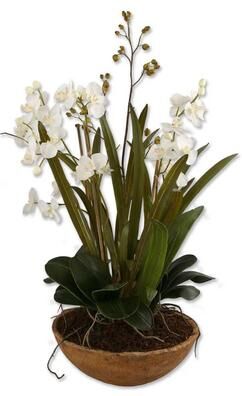
Uttermost Cami White OrchidUttermost's botanicals combine premium quality materials with unique high-style design. With the advanced product engineering and packaging reinforcement, uttermost maintains some of the lowest damage rates in the industry.271,20 $*Shipping: 0,00 $Secure redirect to the provider



-
How often should one water an orchid?
Orchids should be watered once a week, or when the top inch of the potting mix feels dry to the touch. It is important not to overwater orchids, as they are susceptible to root rot. It is also recommended to use room temperature water and to allow excess water to drain out of the bottom of the pot to prevent waterlogging. **
-
Which water is suitable for my orchid?
Orchids generally prefer water that is low in mineral content, such as rainwater, distilled water, or water that has been filtered through a reverse osmosis system. Tap water can be used if it is low in mineral content, but it is important to avoid water that is high in salts, chlorine, or fluoride, as these can harm the orchid's roots. It is also important to allow the water to reach room temperature before using it on the orchid, as cold water can shock the plant. Overall, using clean, mineral-free water is best for orchids to thrive. **
-
Is my orchid broken?
Orchids are delicate plants and can be easily damaged, but they are not typically considered "broken" in the same way that objects can be. If your orchid is showing signs of damage such as wilting leaves, yellowing or browning of the leaves, or a lack of new growth, it may be a sign that something is wrong with the plant. It's important to assess the care conditions such as light, water, and humidity levels to determine the cause of the issue and take appropriate steps to help your orchid recover. **
-
Is my orchid moldy?
To determine if your orchid is moldy, look for any fuzzy, discolored patches on the leaves or roots. Mold on orchids is usually white or grayish in color and can spread quickly if not treated. If you suspect mold on your orchid, gently wipe the affected areas with a cotton swab dipped in rubbing alcohol to remove it. Ensure proper air circulation and avoid overwatering to prevent mold growth in the future. **


What are orchid stems?
Orchid stems are the long, slender, and often leafless structures that support the flowers and leaves of the orchid plant. They are typically green and can be either upright or trailing, depending on the species. Orchid stems are important for providing structural support to the plant and for transporting water and nutrients to the flowers and leaves. In some orchid species, the stems also store water and nutrients, helping the plant to survive in dry or nutrient-poor environments. **
How often should one water an orchid per week?
Orchids typically need to be watered about once a week. However, the frequency of watering can vary depending on factors such as the type of orchid, the potting medium, and the environment it is in. It is important to check the moisture level of the orchid's potting mix before watering to ensure it is not too dry or too wet. Overwatering can lead to root rot, while underwatering can cause the orchid to become dehydrated. **
Top-Angebote
Products related to Orchid:
-
Touch of Class Mindy Hobnail Table Lamp Orchid , OrchidThe Mindy Orchid Hobnail Table Lamp displays vintage elegance with antique style. The handcrafted and handblown glass globe and font have an old-fashioned hobnail pattern. Metal accents on the font, base, and shade have an antique brass finish. The...199,00 $*Shipping: 22,95 $Secure redirect to the provider
-
Brita Premium 26 oz Orchid BPA Free Filtered Water BottleOur premium hard-sided bottles filter as you drink to deliver hassle-free hydration anywhere. They are durable, BPA-free and include a replaceable filter to reduce chlorine taste & odor.30,74 $*Shipping: 0,00 $Secure redirect to the provider
-
How do you water an orchid?
Watering an orchid requires a gentle touch. It's important to water the orchid thoroughly, but then allow the soil to dry out slightly before watering again. It's best to water the orchid in the morning, allowing any excess water to evaporate throughout the day. Additionally, it's important to avoid getting water on the leaves or crown of the orchid, as this can lead to rot. Finally, using room temperature water is best for orchids, as cold water can shock the roots. **
-
How much water does this orchid need?
The water needs of an orchid can vary depending on factors such as the type of orchid, the growing environment, and the time of year. In general, orchids should be watered when the growing medium is dry to the touch, usually about once a week. It's important to avoid overwatering, as this can lead to root rot, and to ensure that the orchid's pot has good drainage. Additionally, misting the orchid's leaves can help to increase humidity, which is beneficial for many orchid species. **
-
How often should one water an orchid?
Orchids should be watered once a week, or when the top inch of the potting mix feels dry to the touch. It is important not to overwater orchids, as they are susceptible to root rot. It is also recommended to use room temperature water and to allow excess water to drain out of the bottom of the pot to prevent waterlogging. **
-
Which water is suitable for my orchid?
Orchids generally prefer water that is low in mineral content, such as rainwater, distilled water, or water that has been filtered through a reverse osmosis system. Tap water can be used if it is low in mineral content, but it is important to avoid water that is high in salts, chlorine, or fluoride, as these can harm the orchid's roots. It is also important to allow the water to reach room temperature before using it on the orchid, as cold water can shock the plant. Overall, using clean, mineral-free water is best for orchids to thrive. **
Similar search terms for Orchid
-
Uttermost Cami White OrchidUttermost's botanicals combine premium quality materials with unique high-style design. With the advanced product engineering and packaging reinforcement, uttermost maintains some of the lowest damage rates in the industry.271,20 $*Shipping: 0,00 $Secure redirect to the provider
-
Uttermost Ariana Orchid PlanterSprays Of Cream Cymbidium Orchids With Lush Green Foliage Are Nestled Into A Textured, Tan Glazed Ceramic Planter With Faux Soil. Uttermost's Botanicals Combine Premium Quality Materials With Unique High-style Design.362,40 $*Shipping: 0,00 $Secure redirect to the provider
-
Is my orchid broken?
Orchids are delicate plants and can be easily damaged, but they are not typically considered "broken" in the same way that objects can be. If your orchid is showing signs of damage such as wilting leaves, yellowing or browning of the leaves, or a lack of new growth, it may be a sign that something is wrong with the plant. It's important to assess the care conditions such as light, water, and humidity levels to determine the cause of the issue and take appropriate steps to help your orchid recover. **
-
Is my orchid moldy?
To determine if your orchid is moldy, look for any fuzzy, discolored patches on the leaves or roots. Mold on orchids is usually white or grayish in color and can spread quickly if not treated. If you suspect mold on your orchid, gently wipe the affected areas with a cotton swab dipped in rubbing alcohol to remove it. Ensure proper air circulation and avoid overwatering to prevent mold growth in the future. **
-
What are orchid stems?
Orchid stems are the long, slender, and often leafless structures that support the flowers and leaves of the orchid plant. They are typically green and can be either upright or trailing, depending on the species. Orchid stems are important for providing structural support to the plant and for transporting water and nutrients to the flowers and leaves. In some orchid species, the stems also store water and nutrients, helping the plant to survive in dry or nutrient-poor environments. **
-
How often should one water an orchid per week?
Orchids typically need to be watered about once a week. However, the frequency of watering can vary depending on factors such as the type of orchid, the potting medium, and the environment it is in. It is important to check the moisture level of the orchid's potting mix before watering to ensure it is not too dry or too wet. Overwatering can lead to root rot, while underwatering can cause the orchid to become dehydrated. **
* All prices are inclusive of VAT and, if applicable, plus shipping costs. The offer information is based on the details provided by the respective shop and is updated through automated processes. Real-time updates do not occur, so deviations can occur in individual cases. ** Note: Parts of this content were created by AI.