Buy eulakes.eu ?
We are moving the project
eulakes.eu .
Are you interested in purchasing the domain
eulakes.eu ?
domain@kv-gmbh.de · 0541-91531010
Buy eulakes.eu ?
Why do iron-3 compounds occur more frequently in nature than iron-2 compounds?
Iron-3 compounds occur more frequently in nature than iron-2 compounds because iron has a natural tendency to oxidize and form iron-3 ions. This is due to the relative stability of the iron-3 oxidation state compared to the iron-2 oxidation state. Additionally, iron-3 compounds are more thermodynamically stable and are often formed through natural processes such as oxidation reactions in the presence of oxygen. As a result, iron-3 compounds are more commonly found in minerals, rocks, and biological systems in nature. **
What are carbon-water compounds?
Carbon-water compounds, also known as organic compounds, are molecules that contain carbon and hydrogen atoms bonded together, often with other elements such as oxygen, nitrogen, or sulfur. These compounds are the building blocks of life and are essential for all living organisms. Examples of carbon-water compounds include carbohydrates, lipids, proteins, and nucleic acids, which are vital for the structure and function of cells and tissues. These compounds play a crucial role in various biological processes, such as energy production, metabolism, and genetic information storage. **
Similar search terms for Compounds
Top-Angebote
Products related to Compounds:
-
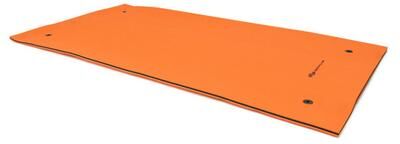
Skip's Garage Outdoors Vintage Fishing Flies Cornhole Boards"Includes: (2) ACA Regulation Size Cornhole Boards. Boards are Regulation 24"" Wide x 48"" Long. Easily Add All-Weather Resin Filled Bags. Add Accessories like a Carrying Case or Board Lights. Lights are Multicolor and Easily Change Colors & Modes."471,49 $*Shipping: 0,00 $Secure redirect to the provider
-
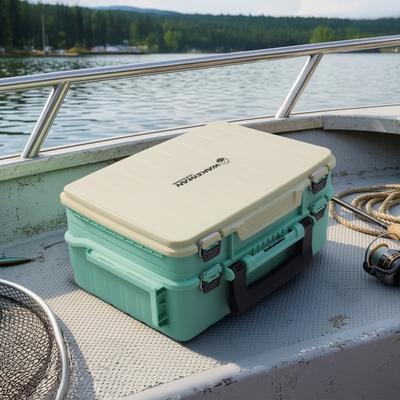
Wakeman Outdoors Fishing Tackle Box Organizer 2 Layer Heavy Duty Storage Box, Green2-TIER FISHING BOX - Keep lures, hooks, lines, tools, and other fishing accessories organized and ready to use with this double layer fly box tacklebox, which is roomy enough for serious anglers but compact enough for easy carrying on your boat or...76,49 $*Shipping: 0,00 $Secure redirect to the provider
-
Wakeman Outdoors Fishing Tackle Box Organizer Dual Layer Heavy Duty Storage Box, GreenDUAL LAYER FISHING BOX - Keep lures, hooks, lines, tools, and other fishing accessories organized and ready to use with this double layer fly box tacklebox, with a transparent lid that gives visibility of the contents so you can swap lures in seconds.91,49 $*Shipping: 0,00 $Secure redirect to the provider


-
What are water-soluble metal compounds?
Water-soluble metal compounds are chemical compounds that contain metal ions and are able to dissolve in water. These compounds can easily dissociate into metal ions and other ions when they come into contact with water. Some common examples of water-soluble metal compounds include salts like sodium chloride and copper sulfate. These compounds are often used in various industrial processes, research, and everyday applications due to their ability to easily mix with water. **
-
How can one distinguish ionic compounds from molecular compounds?
Ionic compounds are formed from the attraction between positively and negatively charged ions, while molecular compounds are formed from the sharing of electrons between atoms. One way to distinguish between the two is to look at their chemical formulas. Ionic compounds typically consist of a metal and a nonmetal, while molecular compounds consist of nonmetals only. Additionally, ionic compounds tend to have higher melting and boiling points compared to molecular compounds due to their strong electrostatic attractions. Finally, conducting a simple solubility test can also help distinguish between the two types of compounds, as ionic compounds are often soluble in water while molecular compounds may not be. **
-
How do you distinguish determinative compounds and possessive compounds?
Determinative compounds are formed by combining two words to create a new concept, where the first word determines the meaning of the second word. For example, "blackboard" is a determinative compound where "black" determines the type of "board." Possessive compounds, on the other hand, indicate possession or relationship between the two words. For example, "John's car" is a possessive compound where "John" possesses the "car." In summary, determinative compounds determine the meaning of the second word, while possessive compounds indicate possession or relationship between the two words. **
-
Can you help me with chemistry? I need information about atomic compounds, metal compounds, and ionic compounds.
Of course! Atomic compounds are formed when two or more non-metal atoms are chemically bonded together, such as in molecules like water (H2O) and carbon dioxide (CO2). Metal compounds are formed when a metal atom is bonded to one or more non-metal atoms, such as in compounds like sodium chloride (NaCl) and iron oxide (Fe2O3). Ionic compounds are formed when a metal atom transfers one or more electrons to a non-metal atom, resulting in the formation of positively and negatively charged ions that are attracted to each other, such as in compounds like sodium chloride (NaCl) and calcium carbonate (CaCO3). Let me know if you need more specific information or examples! **


Why do molecular compounds have lower boiling points than ionic compounds?
Molecular compounds have lower boiling points than ionic compounds because the intermolecular forces holding the molecules together are generally weaker than the electrostatic forces holding ions together in ionic compounds. In molecular compounds, the intermolecular forces are typically van der Waals forces, dipole-dipole interactions, or hydrogen bonding, which are weaker than the strong ionic bonds in ionic compounds. As a result, less energy is required to overcome these weaker intermolecular forces, leading to lower boiling points for molecular compounds compared to ionic compounds. **
What are molecular compounds?
Molecular compounds are chemical compounds formed by the combination of two or more non-metal atoms. These atoms are held together by covalent bonds, which involve the sharing of electrons. Molecular compounds can exist as discrete molecules, such as water (H2O) and carbon dioxide (CO2), and they typically have lower melting and boiling points compared to ionic compounds. Examples of molecular compounds include methane (CH4), ammonia (NH3), and sulfur dioxide (SO2). **
Top-Angebote
Products related to Compounds:
-
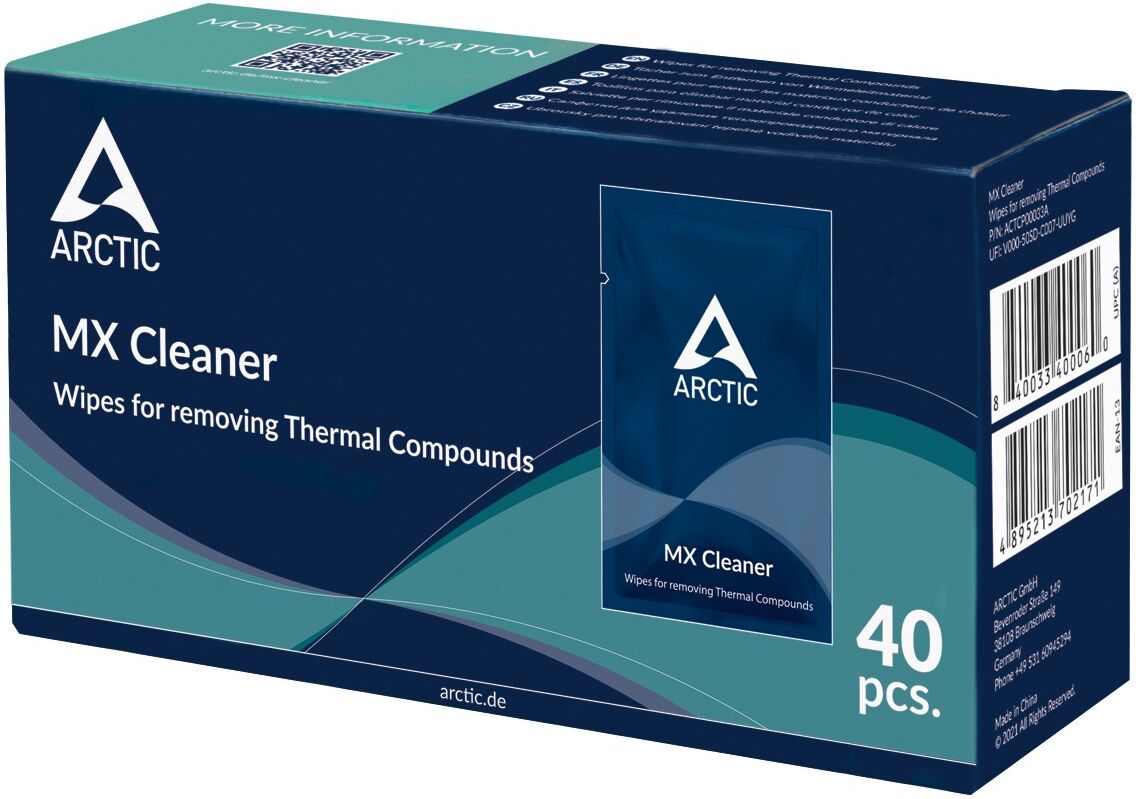
Arctic MX Cleaner - Wipes for removing Thermal Compounds (40 Pieces)ARCTIC MX Cleaner is a box of 40 individually sealed wet wipes for removing old thermal paste from CPUs, GPUs and heatsinks before reapplying compound. The cleaning fluid is limonene-based, derived from citrus oil, and contains no alcohol or benzene, so it is gentle on metals and alloys and leaves no residue. Each wipe is packed airtight to stay moist until it is used.12,99 £*Shipping: 0,00 £Secure redirect to the provider
-
Skip's Garage Outdoors Vintage Fishing Flies Cornhole Boards"Includes: (2) ACA Regulation Size Cornhole Boards. Boards are Regulation 24"" Wide x 48"" Long. Easily Add All-Weather Resin Filled Bags. Add Accessories like a Carrying Case or Board Lights. Lights are Multicolor and Easily Change Colors & Modes."471,49 $*Shipping: 0,00 $Secure redirect to the provider
-
Wakeman Outdoors Fishing Tackle Box Organizer 2 Layer Heavy Duty Storage Box, Green2-TIER FISHING BOX - Keep lures, hooks, lines, tools, and other fishing accessories organized and ready to use with this double layer fly box tacklebox, which is roomy enough for serious anglers but compact enough for easy carrying on your boat or...76,49 $*Shipping: 0,00 $Secure redirect to the provider
-
Why do iron-3 compounds occur more frequently in nature than iron-2 compounds?
Iron-3 compounds occur more frequently in nature than iron-2 compounds because iron has a natural tendency to oxidize and form iron-3 ions. This is due to the relative stability of the iron-3 oxidation state compared to the iron-2 oxidation state. Additionally, iron-3 compounds are more thermodynamically stable and are often formed through natural processes such as oxidation reactions in the presence of oxygen. As a result, iron-3 compounds are more commonly found in minerals, rocks, and biological systems in nature. **
-
What are carbon-water compounds?
Carbon-water compounds, also known as organic compounds, are molecules that contain carbon and hydrogen atoms bonded together, often with other elements such as oxygen, nitrogen, or sulfur. These compounds are the building blocks of life and are essential for all living organisms. Examples of carbon-water compounds include carbohydrates, lipids, proteins, and nucleic acids, which are vital for the structure and function of cells and tissues. These compounds play a crucial role in various biological processes, such as energy production, metabolism, and genetic information storage. **
-
What are water-soluble metal compounds?
Water-soluble metal compounds are chemical compounds that contain metal ions and are able to dissolve in water. These compounds can easily dissociate into metal ions and other ions when they come into contact with water. Some common examples of water-soluble metal compounds include salts like sodium chloride and copper sulfate. These compounds are often used in various industrial processes, research, and everyday applications due to their ability to easily mix with water. **
-
How can one distinguish ionic compounds from molecular compounds?
Ionic compounds are formed from the attraction between positively and negatively charged ions, while molecular compounds are formed from the sharing of electrons between atoms. One way to distinguish between the two is to look at their chemical formulas. Ionic compounds typically consist of a metal and a nonmetal, while molecular compounds consist of nonmetals only. Additionally, ionic compounds tend to have higher melting and boiling points compared to molecular compounds due to their strong electrostatic attractions. Finally, conducting a simple solubility test can also help distinguish between the two types of compounds, as ionic compounds are often soluble in water while molecular compounds may not be. **
Similar search terms for Compounds
-
Wakeman Outdoors Fishing Tackle Box Organizer Dual Layer Heavy Duty Storage Box, GreenDUAL LAYER FISHING BOX - Keep lures, hooks, lines, tools, and other fishing accessories organized and ready to use with this double layer fly box tacklebox, with a transparent lid that gives visibility of the contents so you can swap lures in seconds.91,49 $*Shipping: 0,00 $Secure redirect to the provider
-
Skip's Garage Outdoors Vintage Fishing Flies Cornhole Boards"Includes: (2) ACA Regulation Size Cornhole Boards. Boards are Regulation 24"" Wide x 48"" Long. Easily Add All-Weather Resin Filled Bags. Add Accessories like a Carrying Case or Board Lights. Lights are Multicolor and Easily Change Colors & Modes."471,49 $*Shipping: 0,00 $Secure redirect to the provider
-
How do you distinguish determinative compounds and possessive compounds?
Determinative compounds are formed by combining two words to create a new concept, where the first word determines the meaning of the second word. For example, "blackboard" is a determinative compound where "black" determines the type of "board." Possessive compounds, on the other hand, indicate possession or relationship between the two words. For example, "John's car" is a possessive compound where "John" possesses the "car." In summary, determinative compounds determine the meaning of the second word, while possessive compounds indicate possession or relationship between the two words. **
-
Can you help me with chemistry? I need information about atomic compounds, metal compounds, and ionic compounds.
Of course! Atomic compounds are formed when two or more non-metal atoms are chemically bonded together, such as in molecules like water (H2O) and carbon dioxide (CO2). Metal compounds are formed when a metal atom is bonded to one or more non-metal atoms, such as in compounds like sodium chloride (NaCl) and iron oxide (Fe2O3). Ionic compounds are formed when a metal atom transfers one or more electrons to a non-metal atom, resulting in the formation of positively and negatively charged ions that are attracted to each other, such as in compounds like sodium chloride (NaCl) and calcium carbonate (CaCO3). Let me know if you need more specific information or examples! **
-
Why do molecular compounds have lower boiling points than ionic compounds?
Molecular compounds have lower boiling points than ionic compounds because the intermolecular forces holding the molecules together are generally weaker than the electrostatic forces holding ions together in ionic compounds. In molecular compounds, the intermolecular forces are typically van der Waals forces, dipole-dipole interactions, or hydrogen bonding, which are weaker than the strong ionic bonds in ionic compounds. As a result, less energy is required to overcome these weaker intermolecular forces, leading to lower boiling points for molecular compounds compared to ionic compounds. **
-
What are molecular compounds?
Molecular compounds are chemical compounds formed by the combination of two or more non-metal atoms. These atoms are held together by covalent bonds, which involve the sharing of electrons. Molecular compounds can exist as discrete molecules, such as water (H2O) and carbon dioxide (CO2), and they typically have lower melting and boiling points compared to ionic compounds. Examples of molecular compounds include methane (CH4), ammonia (NH3), and sulfur dioxide (SO2). **
* All prices are inclusive of VAT and, if applicable, plus shipping costs. The offer information is based on the details provided by the respective shop and is updated through automated processes. Real-time updates do not occur, so deviations can occur in individual cases. ** Note: Parts of this content were created by AI.