Buy eulakes.eu ?
We are moving the project
eulakes.eu .
Are you interested in purchasing the domain
eulakes.eu ?
domain@kv-gmbh.de · 0541-91531010
Buy eulakes.eu ?
What are abiotic factors in ecology?
Abiotic factors in ecology are non-living components of an ecosystem that can influence the living organisms within it. These factors include physical and chemical elements such as temperature, sunlight, water, soil, air, and nutrients. Abiotic factors play a crucial role in shaping the environment and determining the types of organisms that can survive in a particular ecosystem. They can also affect the distribution, behavior, and abundance of species within an ecosystem. **
What are abiotic factors in the Antarctic?
Abiotic factors in the Antarctic include extreme cold temperatures, strong winds, low precipitation, and high levels of ultraviolet radiation due to the hole in the ozone layer. The frozen landscape is also a significant abiotic factor, as the ice and snow cover much of the continent. These abiotic factors create a harsh environment that shapes the unique ecosystems and limits the types of organisms that can survive in the Antarctic. **
Similar search terms for Abiotic
Top-Angebote
Products related to Abiotic:
-
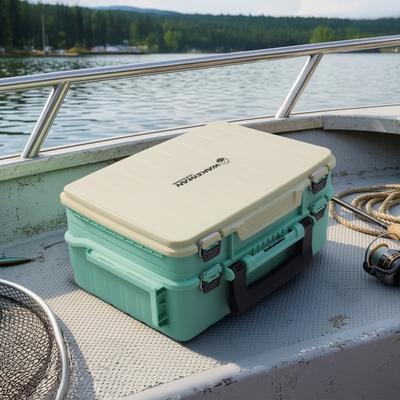
Wakeman Outdoors Fishing Tackle Box Organizer 2 Layer Heavy Duty Storage Box, Green2-TIER FISHING BOX - Keep lures, hooks, lines, tools, and other fishing accessories organized and ready to use with this double layer fly box tacklebox, which is roomy enough for serious anglers but compact enough for easy carrying on your boat or...76,49 $*Shipping: 0,00 $Secure redirect to the provider
-
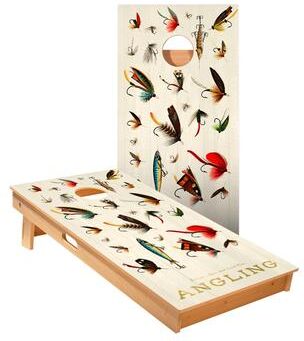
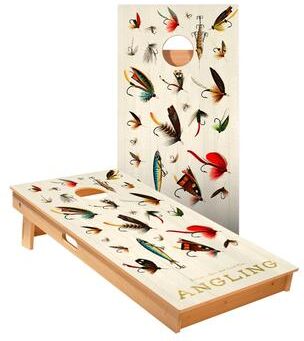
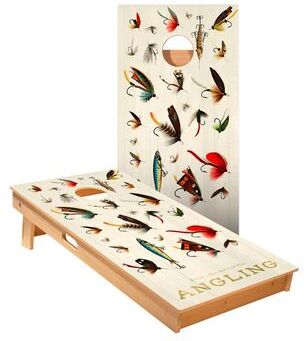
Skip's Garage Outdoors Vintage Fishing Flies Cornhole Boards"Includes: (2) ACA Regulation Size Cornhole Boards. Boards are Regulation 24"" Wide x 48"" Long. Easily Add All-Weather Resin Filled Bags. Add Accessories like a Carrying Case or Board Lights. Lights are Multicolor and Easily Change Colors & Modes."351,99 $*Shipping: 0,00 $Secure redirect to the provider
-
Skip's Garage Outdoors Vintage Fishing Flies Cornhole Boards"Includes: (2) ACA Regulation Size Cornhole Boards. Boards are Regulation 24"" Wide x 48"" Long. Easily Add All-Weather Resin Filled Bags. Add Accessories like a Carrying Case or Board Lights. Lights are Multicolor and Easily Change Colors & Modes."304,49 $*Shipping: 0,00 $Secure redirect to the provider
-
Skip's Garage Outdoors Vintage Fishing Flies Cornhole Boards"Includes: (2) ACA Regulation Size Cornhole Boards. Boards are Regulation 24"" Wide x 48"" Long. Easily Add All-Weather Resin Filled Bags. Add Accessories like a Carrying Case or Board Lights. Lights are Multicolor and Easily Change Colors & Modes."343,99 $*Shipping: 0,00 $Secure redirect to the provider

-
How do the abiotic environmental factors temperature, light, and water affect the ocean?
Temperature, light, and water are critical abiotic environmental factors that affect the ocean in various ways. Temperature influences the distribution and behavior of marine organisms, as well as the ocean's circulation patterns. Light availability affects photosynthesis and primary production, which in turn impacts the entire marine food web. Water availability, in the form of salinity and nutrient content, influences the density and composition of marine life. Overall, these abiotic factors play a crucial role in shaping the physical and biological characteristics of the ocean ecosystem. **
-
Which biotic and abiotic factors influence the sea?
Biotic factors that influence the sea include the presence of marine plants and animals, which contribute to the overall ecosystem and food web. These organisms play a crucial role in the health and balance of the marine environment. Abiotic factors such as temperature, sunlight, water chemistry, and currents also have a significant impact on the sea. These factors affect the physical and chemical properties of the water, as well as the distribution and behavior of marine life. Overall, both biotic and abiotic factors play a crucial role in shaping the marine environment and its inhabitants. **
-
Do tides belong to the abiotic environmental factors?
Yes, tides belong to the abiotic environmental factors. Abiotic factors are non-living components of an ecosystem, and tides are the result of the gravitational pull of the moon and the sun on the Earth's oceans. Tides play a significant role in shaping coastal ecosystems and influencing the distribution of marine organisms. Therefore, they are considered an important abiotic factor in marine environments. **
-
What do abiotic and biotic environmental factors mean?
Abiotic environmental factors refer to non-living components of an ecosystem, such as temperature, sunlight, water, and soil. These factors can have a significant impact on the survival and distribution of living organisms within an ecosystem. Biotic environmental factors, on the other hand, refer to the living components of an ecosystem, including plants, animals, and microorganisms. These factors can also influence the dynamics of an ecosystem through interactions such as predation, competition, and symbiosis. Both abiotic and biotic factors play crucial roles in shaping the structure and function of ecosystems. **
What are abiotic and biotic factors in biology?
Abiotic factors in biology are non-living components of an ecosystem, such as temperature, sunlight, water, and soil. These factors can have a significant impact on the organisms living in the ecosystem. Biotic factors, on the other hand, are living components of an ecosystem, including plants, animals, fungi, and microorganisms. These factors interact with each other and with the abiotic factors to create a complex and dynamic environment. Both abiotic and biotic factors play crucial roles in shaping the structure and function of ecosystems. **
What are application tasks related to abiotic factors?
Application tasks related to abiotic factors involve studying the impact of non-living elements such as temperature, water availability, soil composition, and sunlight on various ecosystems. Researchers may investigate how changes in these abiotic factors affect plant growth, animal behavior, and overall ecosystem health. Understanding these relationships is crucial for predicting and managing the effects of climate change, land use changes, and other environmental disturbances on ecosystems. By studying abiotic factors, scientists can develop strategies to conserve biodiversity, restore degraded habitats, and promote sustainable resource management. **
Top-Angebote
Products related to Abiotic:
-
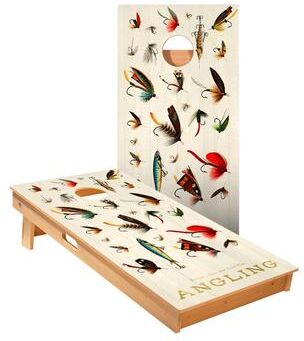
Skip's Garage Outdoors Vintage Fishing Flies Cornhole Boards"Includes: (2) ACA Regulation Size Cornhole Boards. Boards are Regulation 24"" Wide x 48"" Long. Easily Add All-Weather Resin Filled Bags. Add Accessories like a Carrying Case or Board Lights. Lights are Multicolor and Easily Change Colors & Modes."471,49 $*Shipping: 0,00 $Secure redirect to the provider
-
Wakeman Outdoors Fishing Tackle Box Organizer 2 Layer Heavy Duty Storage Box, Green2-TIER FISHING BOX - Keep lures, hooks, lines, tools, and other fishing accessories organized and ready to use with this double layer fly box tacklebox, which is roomy enough for serious anglers but compact enough for easy carrying on your boat or...76,49 $*Shipping: 0,00 $Secure redirect to the provider
-
Skip's Garage Outdoors Vintage Fishing Flies Cornhole Boards"Includes: (2) ACA Regulation Size Cornhole Boards. Boards are Regulation 24"" Wide x 48"" Long. Easily Add All-Weather Resin Filled Bags. Add Accessories like a Carrying Case or Board Lights. Lights are Multicolor and Easily Change Colors & Modes."351,99 $*Shipping: 0,00 $Secure redirect to the provider
-
What are abiotic factors in ecology?
Abiotic factors in ecology are non-living components of an ecosystem that can influence the living organisms within it. These factors include physical and chemical elements such as temperature, sunlight, water, soil, air, and nutrients. Abiotic factors play a crucial role in shaping the environment and determining the types of organisms that can survive in a particular ecosystem. They can also affect the distribution, behavior, and abundance of species within an ecosystem. **
-
What are abiotic factors in the Antarctic?
Abiotic factors in the Antarctic include extreme cold temperatures, strong winds, low precipitation, and high levels of ultraviolet radiation due to the hole in the ozone layer. The frozen landscape is also a significant abiotic factor, as the ice and snow cover much of the continent. These abiotic factors create a harsh environment that shapes the unique ecosystems and limits the types of organisms that can survive in the Antarctic. **
-
How do the abiotic environmental factors temperature, light, and water affect the ocean?
Temperature, light, and water are critical abiotic environmental factors that affect the ocean in various ways. Temperature influences the distribution and behavior of marine organisms, as well as the ocean's circulation patterns. Light availability affects photosynthesis and primary production, which in turn impacts the entire marine food web. Water availability, in the form of salinity and nutrient content, influences the density and composition of marine life. Overall, these abiotic factors play a crucial role in shaping the physical and biological characteristics of the ocean ecosystem. **
-
Which biotic and abiotic factors influence the sea?
Biotic factors that influence the sea include the presence of marine plants and animals, which contribute to the overall ecosystem and food web. These organisms play a crucial role in the health and balance of the marine environment. Abiotic factors such as temperature, sunlight, water chemistry, and currents also have a significant impact on the sea. These factors affect the physical and chemical properties of the water, as well as the distribution and behavior of marine life. Overall, both biotic and abiotic factors play a crucial role in shaping the marine environment and its inhabitants. **
Similar search terms for Abiotic
-
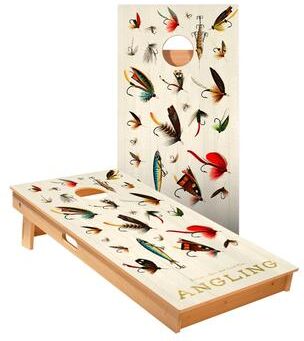
Skip's Garage Outdoors Vintage Fishing Flies Cornhole Boards"Includes: (2) ACA Regulation Size Cornhole Boards. Boards are Regulation 24"" Wide x 48"" Long. Easily Add All-Weather Resin Filled Bags. Add Accessories like a Carrying Case or Board Lights. Lights are Multicolor and Easily Change Colors & Modes."304,49 $*Shipping: 0,00 $Secure redirect to the provider
-
Skip's Garage Outdoors Vintage Fishing Flies Cornhole Boards"Includes: (2) ACA Regulation Size Cornhole Boards. Boards are Regulation 24"" Wide x 48"" Long. Easily Add All-Weather Resin Filled Bags. Add Accessories like a Carrying Case or Board Lights. Lights are Multicolor and Easily Change Colors & Modes."343,99 $*Shipping: 0,00 $Secure redirect to the provider
-
Skip's Garage Outdoors Vintage Fishing Flies Cornhole Boards"Includes: (2) ACA Regulation Size Cornhole Boards. Boards are Regulation 24"" Wide x 48"" Long. Easily Add All-Weather Resin Filled Bags. Add Accessories like a Carrying Case or Board Lights. Lights are Multicolor and Easily Change Colors & Modes."351,99 $*Shipping: 0,00 $Secure redirect to the provider
-
Skip's Garage Outdoors Vintage Fishing Flies Cornhole Boards"Includes: (2) ACA Regulation Size Cornhole Boards. Boards are Regulation 24"" Wide x 48"" Long. Easily Add All-Weather Resin Filled Bags. Add Accessories like a Carrying Case or Board Lights. Lights are Multicolor and Easily Change Colors & Modes."471,49 $*Shipping: 0,00 $Secure redirect to the provider
-
Do tides belong to the abiotic environmental factors?
Yes, tides belong to the abiotic environmental factors. Abiotic factors are non-living components of an ecosystem, and tides are the result of the gravitational pull of the moon and the sun on the Earth's oceans. Tides play a significant role in shaping coastal ecosystems and influencing the distribution of marine organisms. Therefore, they are considered an important abiotic factor in marine environments. **
-
What do abiotic and biotic environmental factors mean?
Abiotic environmental factors refer to non-living components of an ecosystem, such as temperature, sunlight, water, and soil. These factors can have a significant impact on the survival and distribution of living organisms within an ecosystem. Biotic environmental factors, on the other hand, refer to the living components of an ecosystem, including plants, animals, and microorganisms. These factors can also influence the dynamics of an ecosystem through interactions such as predation, competition, and symbiosis. Both abiotic and biotic factors play crucial roles in shaping the structure and function of ecosystems. **
-
What are abiotic and biotic factors in biology?
Abiotic factors in biology are non-living components of an ecosystem, such as temperature, sunlight, water, and soil. These factors can have a significant impact on the organisms living in the ecosystem. Biotic factors, on the other hand, are living components of an ecosystem, including plants, animals, fungi, and microorganisms. These factors interact with each other and with the abiotic factors to create a complex and dynamic environment. Both abiotic and biotic factors play crucial roles in shaping the structure and function of ecosystems. **
-
What are application tasks related to abiotic factors?
Application tasks related to abiotic factors involve studying the impact of non-living elements such as temperature, water availability, soil composition, and sunlight on various ecosystems. Researchers may investigate how changes in these abiotic factors affect plant growth, animal behavior, and overall ecosystem health. Understanding these relationships is crucial for predicting and managing the effects of climate change, land use changes, and other environmental disturbances on ecosystems. By studying abiotic factors, scientists can develop strategies to conserve biodiversity, restore degraded habitats, and promote sustainable resource management. **
* All prices are inclusive of VAT and, if applicable, plus shipping costs. The offer information is based on the details provided by the respective shop and is updated through automated processes. Real-time updates do not occur, so deviations can occur in individual cases. ** Note: Parts of this content were created by AI.