Buy eulakes.eu ?
We are moving the project
eulakes.eu .
Are you interested in purchasing the domain
eulakes.eu ?
domain@kv-gmbh.de · 0541-91531010
Buy eulakes.eu ?
At what point does water damage occur?
Water damage can occur when water is able to penetrate and saturate building materials such as drywall, wood, or insulation. This can happen when there is a leak in the roof, plumbing, or foundation, or when there is flooding from natural disasters. Once water is able to seep into these materials, it can lead to structural damage, mold growth, and other costly issues. It is important to address water damage as soon as possible to prevent further damage and potential health hazards. **
Where is the freezing point of mineral water?
The freezing point of mineral water is typically around 0 degrees Celsius (32 degrees Fahrenheit), which is the same as the freezing point of pure water. However, the freezing point of mineral water can vary slightly depending on the mineral content and impurities present in the water. In general, mineral water will freeze at the same temperature as regular water, but the presence of minerals may affect the freezing process. **

Similar search terms for Point
Top-Angebote
Products related to Point:

-
What is the freezing point of sugar water?
The freezing point of sugar water is lower than that of pure water. The exact freezing point will depend on the concentration of sugar in the water. Generally, a solution of sugar water will freeze at a temperature below 0 degrees Celsius (32 degrees Fahrenheit). The presence of sugar molecules disrupts the formation of ice crystals, lowering the freezing point of the solution. **
-
Which hobbies involve being outdoors in nature?
Hobbies that involve being outdoors in nature include hiking, birdwatching, gardening, camping, fishing, and photography. These activities allow individuals to connect with the natural world, breathe in fresh air, and enjoy the beauty of the outdoors. Engaging in these hobbies can also provide physical and mental health benefits, such as reducing stress and increasing physical activity. **
-
What is a boiling point-melting point?
The boiling point is the temperature at which a substance changes from a liquid to a gas, while the melting point is the temperature at which a substance changes from a solid to a liquid. These points are specific to each substance and can be used to identify and characterize different materials. The boiling point and melting point are important properties in chemistry and are often used to determine the purity and composition of a substance. **
-
Is every turning point a saddle point?
No, not every turning point is a saddle point. A turning point is a point on a curve where the derivative is zero, indicating a local maximum, minimum, or point of inflection. A saddle point, on the other hand, is a point where the surface curves up in one direction and down in another, resembling the shape of a saddle. While a saddle point can be a turning point, not all turning points exhibit the characteristics of a saddle point. **

Is every saddle point a turning point?
No, not every saddle point is a turning point. A saddle point is a point on a surface where the surface curves up in one direction and curves down in another direction. This means that at a saddle point, the surface does not have a local maximum or minimum, so it is not considered a turning point. Turning points occur at local maximums or minimums, where the derivative of the function is zero. Therefore, while a saddle point is a critical point, it is not necessarily a turning point. **
What is the boiling point of normal water or distilled water?
The boiling point of normal water or distilled water is 100 degrees Celsius or 212 degrees Fahrenheit at standard atmospheric pressure. At this temperature, water transitions from a liquid state to a gaseous state, forming water vapor. This boiling point is a fundamental physical property of water and is used in various applications, such as cooking, heating, and distillation. **
Top-Angebote
Products related to Point:
-
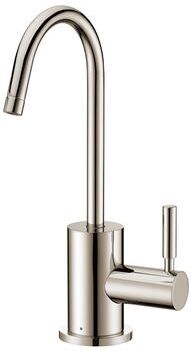
Whitehaus Collection Cold Water Point of Use FaucetCrafted with classic sophistication, this solid metal faucet pairs seamlessly with filtration systems, delivering pure hydration without the hassle of bottled water. Classic Swivel Spout: Traditional design with effortless positioning.297,85 $*Shipping: 0,00 $Secure redirect to the provider
-
At what point does water damage occur?
Water damage can occur when water is able to penetrate and saturate building materials such as drywall, wood, or insulation. This can happen when there is a leak in the roof, plumbing, or foundation, or when there is flooding from natural disasters. Once water is able to seep into these materials, it can lead to structural damage, mold growth, and other costly issues. It is important to address water damage as soon as possible to prevent further damage and potential health hazards. **
-
Where is the freezing point of mineral water?
The freezing point of mineral water is typically around 0 degrees Celsius (32 degrees Fahrenheit), which is the same as the freezing point of pure water. However, the freezing point of mineral water can vary slightly depending on the mineral content and impurities present in the water. In general, mineral water will freeze at the same temperature as regular water, but the presence of minerals may affect the freezing process. **
-
What is the freezing point of sugar water?
The freezing point of sugar water is lower than that of pure water. The exact freezing point will depend on the concentration of sugar in the water. Generally, a solution of sugar water will freeze at a temperature below 0 degrees Celsius (32 degrees Fahrenheit). The presence of sugar molecules disrupts the formation of ice crystals, lowering the freezing point of the solution. **
-
Which hobbies involve being outdoors in nature?
Hobbies that involve being outdoors in nature include hiking, birdwatching, gardening, camping, fishing, and photography. These activities allow individuals to connect with the natural world, breathe in fresh air, and enjoy the beauty of the outdoors. Engaging in these hobbies can also provide physical and mental health benefits, such as reducing stress and increasing physical activity. **
Similar search terms for Point
-
Whitehaus Collection Cold Water Point of Use FaucetCrafted with classic sophistication, this solid metal faucet pairs seamlessly with filtration systems, delivering pure hydration without the hassle of bottled water. Classic Swivel Spout: Traditional design with effortless positioning.370,30 $*Shipping: 0,00 $Secure redirect to the provider
-
What is a boiling point-melting point?
The boiling point is the temperature at which a substance changes from a liquid to a gas, while the melting point is the temperature at which a substance changes from a solid to a liquid. These points are specific to each substance and can be used to identify and characterize different materials. The boiling point and melting point are important properties in chemistry and are often used to determine the purity and composition of a substance. **
-
Is every turning point a saddle point?
No, not every turning point is a saddle point. A turning point is a point on a curve where the derivative is zero, indicating a local maximum, minimum, or point of inflection. A saddle point, on the other hand, is a point where the surface curves up in one direction and down in another, resembling the shape of a saddle. While a saddle point can be a turning point, not all turning points exhibit the characteristics of a saddle point. **
-
Is every saddle point a turning point?
No, not every saddle point is a turning point. A saddle point is a point on a surface where the surface curves up in one direction and curves down in another direction. This means that at a saddle point, the surface does not have a local maximum or minimum, so it is not considered a turning point. Turning points occur at local maximums or minimums, where the derivative of the function is zero. Therefore, while a saddle point is a critical point, it is not necessarily a turning point. **
-
What is the boiling point of normal water or distilled water?
The boiling point of normal water or distilled water is 100 degrees Celsius or 212 degrees Fahrenheit at standard atmospheric pressure. At this temperature, water transitions from a liquid state to a gaseous state, forming water vapor. This boiling point is a fundamental physical property of water and is used in various applications, such as cooking, heating, and distillation. **
* All prices are inclusive of VAT and, if applicable, plus shipping costs. The offer information is based on the details provided by the respective shop and is updated through automated processes. Real-time updates do not occur, so deviations can occur in individual cases. ** Note: Parts of this content were created by AI.