Buy eulakes.eu ?
We are moving the project
eulakes.eu .
Are you interested in purchasing the domain
eulakes.eu ?
domain@kv-gmbh.de · 0541-91531010
Buy eulakes.eu ?
Can one measure the thickness/strength of the fishing line?
Yes, the thickness or strength of a fishing line can be measured. The thickness of a fishing line is typically measured in terms of its diameter, which can be done using a caliper or micrometer. The strength of a fishing line, often referred to as its pound test, can be measured by determining the amount of weight the line can hold before breaking. This can be tested using a scale or a line testing machine. **
How do you measure hot water finely?
To measure hot water finely, you can use a liquid measuring cup with clear markings for accurate measurements. Make sure the measuring cup is placed on a level surface and pour the hot water slowly to the desired measurement line. You can also use a kitchen scale to measure the weight of the hot water for precise measurements. It's important to be cautious when handling hot water to avoid any accidents. **

Similar search terms for Measure
Top-Angebote
Products related to Measure:


-
How do I measure the water flow?
To measure water flow, you can use a flow meter, which is a device that measures the volume of water passing through a specific point in a given amount of time. There are different types of flow meters available, such as electromagnetic, ultrasonic, or mechanical flow meters. You can install the flow meter in the water pipe or hose where you want to measure the flow and then read the measurement displayed on the flow meter's screen. This will give you an accurate measurement of the water flow rate. **
-
Where do you measure the water temperature?
The water temperature can be measured at various locations depending on the specific purpose. For example, in a swimming pool, the water temperature is typically measured at the surface or at different depths to ensure even distribution. In a water heater, the temperature is measured at the outlet to ensure it is at the desired level for use. In natural bodies of water, temperature can be measured at the surface, at different depths, or at specific monitoring stations to track changes over time. **
-
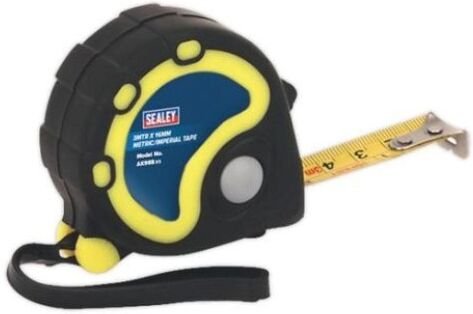
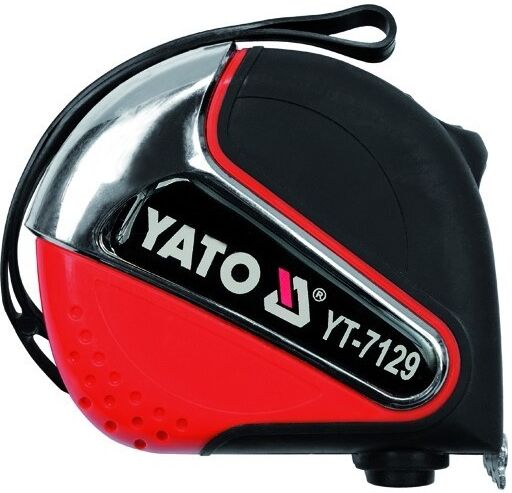
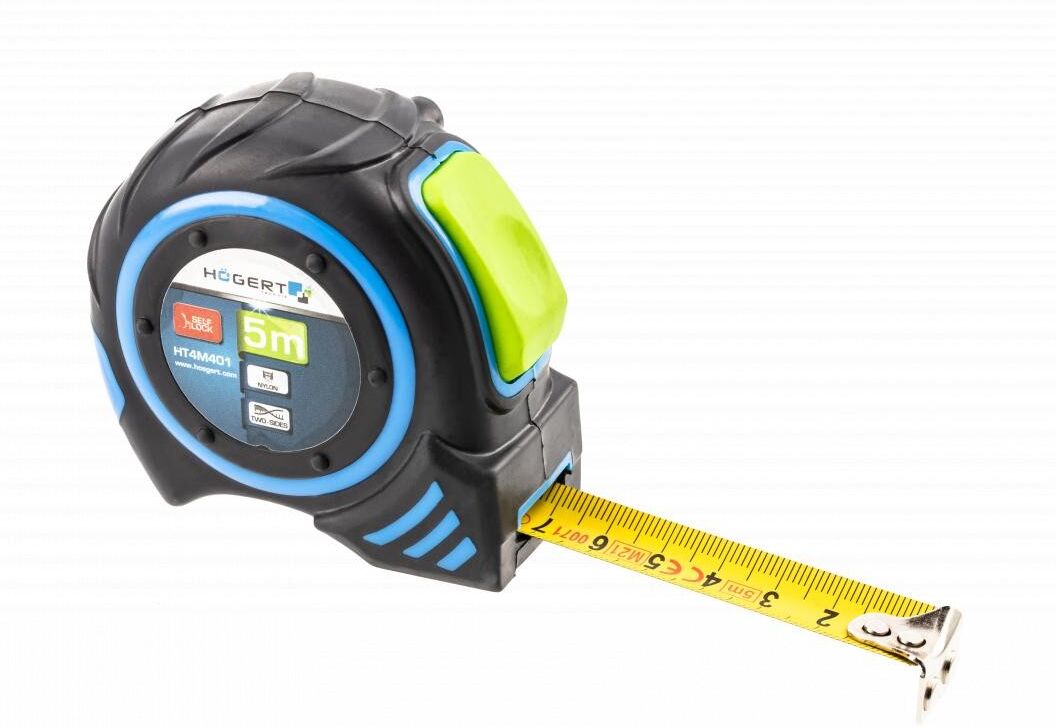
How do I measure a tape measure?
To measure with a tape measure, first locate the end of the tape and line it up with the starting point of the object you want to measure. Then, pull the tape measure along the object until you reach the end point. Take note of the measurement where the end of the object lines up with the tape measure. Make sure to read the measurement at eye level to ensure accuracy. If the tape measure has both imperial and metric units, be sure to use the correct units for your measurement. **
-
How do you measure with a tape measure?
To measure with a tape measure, first, ensure the tape measure is fully extended and the end is securely anchored at the starting point. Then, align the beginning of the tape measure with the edge of the object or surface you are measuring. Next, read the measurement where the other end of the object or surface ends. Make sure the tape measure is straight and not twisted to ensure an accurate measurement. **

Does a water meter also measure dripping faucets?
Yes, a water meter can measure dripping faucets. Even a small drip from a faucet can add up to a significant amount of water waste over time, and the water meter will accurately measure the total amount of water passing through the system. It's important to address dripping faucets promptly to avoid unnecessary water usage and costs. **
How do I measure size with a tape measure?
To measure size with a tape measure, first, ensure the tape measure is straight and not twisted. Place the end of the tape measure at one point of the object you want to measure, and then extend the tape measure to the other end of the object. Read the measurement where the tape measure meets the end of the object. Make sure to note the units being used (inches, centimeters, etc.) for an accurate measurement. **
Top-Angebote
Products related to Measure:
-
Can one measure the thickness/strength of the fishing line?
Yes, the thickness or strength of a fishing line can be measured. The thickness of a fishing line is typically measured in terms of its diameter, which can be done using a caliper or micrometer. The strength of a fishing line, often referred to as its pound test, can be measured by determining the amount of weight the line can hold before breaking. This can be tested using a scale or a line testing machine. **
-
How do you measure hot water finely?
To measure hot water finely, you can use a liquid measuring cup with clear markings for accurate measurements. Make sure the measuring cup is placed on a level surface and pour the hot water slowly to the desired measurement line. You can also use a kitchen scale to measure the weight of the hot water for precise measurements. It's important to be cautious when handling hot water to avoid any accidents. **
-
How do I measure the water flow?
To measure water flow, you can use a flow meter, which is a device that measures the volume of water passing through a specific point in a given amount of time. There are different types of flow meters available, such as electromagnetic, ultrasonic, or mechanical flow meters. You can install the flow meter in the water pipe or hose where you want to measure the flow and then read the measurement displayed on the flow meter's screen. This will give you an accurate measurement of the water flow rate. **
-
Where do you measure the water temperature?
The water temperature can be measured at various locations depending on the specific purpose. For example, in a swimming pool, the water temperature is typically measured at the surface or at different depths to ensure even distribution. In a water heater, the temperature is measured at the outlet to ensure it is at the desired level for use. In natural bodies of water, temperature can be measured at the surface, at different depths, or at specific monitoring stations to track changes over time. **
Similar search terms for Measure
-
How do I measure a tape measure?
To measure with a tape measure, first locate the end of the tape and line it up with the starting point of the object you want to measure. Then, pull the tape measure along the object until you reach the end point. Take note of the measurement where the end of the object lines up with the tape measure. Make sure to read the measurement at eye level to ensure accuracy. If the tape measure has both imperial and metric units, be sure to use the correct units for your measurement. **
-
How do you measure with a tape measure?
To measure with a tape measure, first, ensure the tape measure is fully extended and the end is securely anchored at the starting point. Then, align the beginning of the tape measure with the edge of the object or surface you are measuring. Next, read the measurement where the other end of the object or surface ends. Make sure the tape measure is straight and not twisted to ensure an accurate measurement. **
-
Does a water meter also measure dripping faucets?
Yes, a water meter can measure dripping faucets. Even a small drip from a faucet can add up to a significant amount of water waste over time, and the water meter will accurately measure the total amount of water passing through the system. It's important to address dripping faucets promptly to avoid unnecessary water usage and costs. **
-
How do I measure size with a tape measure?
To measure size with a tape measure, first, ensure the tape measure is straight and not twisted. Place the end of the tape measure at one point of the object you want to measure, and then extend the tape measure to the other end of the object. Read the measurement where the tape measure meets the end of the object. Make sure to note the units being used (inches, centimeters, etc.) for an accurate measurement. **
* All prices are inclusive of VAT and, if applicable, plus shipping costs. The offer information is based on the details provided by the respective shop and is updated through automated processes. Real-time updates do not occur, so deviations can occur in individual cases. ** Note: Parts of this content were created by AI.