Buy eulakes.eu ?
We are moving the project
eulakes.eu .
Are you interested in purchasing the domain
eulakes.eu ?
domain@kv-gmbh.de · 0541-91531010
Buy eulakes.eu ?
How do you compare groundwater with surface water?
Groundwater and surface water are both important sources of fresh water, but they differ in their location and accessibility. Groundwater is found beneath the Earth's surface, stored in aquifers, and accessed through wells. It is often less susceptible to pollution and evaporation, making it a more reliable source of water in some regions. On the other hand, surface water includes rivers, lakes, and streams, and is more visible and easily accessible. However, it is more susceptible to pollution and can be affected by weather and climate changes. Both groundwater and surface water play crucial roles in providing water for drinking, agriculture, and industry. **
Why is the groundwater pump not pumping water?
The groundwater pump may not be pumping water due to several reasons. It could be a mechanical issue such as a clogged intake, a malfunctioning pump motor, or a broken impeller. Additionally, there could be an issue with the water table being too low, causing the pump to not be able to reach the water. It is also possible that there is an electrical issue such as a blown fuse or a tripped circuit breaker. It is important to troubleshoot and identify the specific cause in order to address the issue and get the pump working again. **

Similar search terms for Groundwater
Top-Angebote
Products related to Groundwater:
-
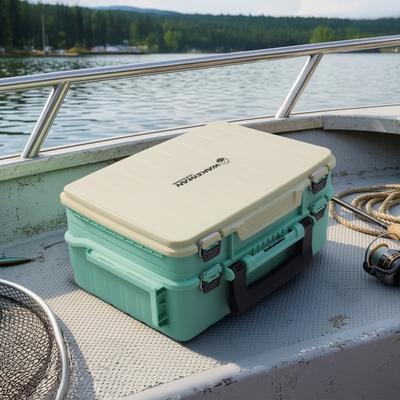
Wakeman Outdoors Fishing Tackle Box Organizer 2 Layer Heavy Duty Storage Box, Green2-TIER FISHING BOX - Keep lures, hooks, lines, tools, and other fishing accessories organized and ready to use with this double layer fly box tacklebox, which is roomy enough for serious anglers but compact enough for easy carrying on your boat or...76,49 $*Shipping: 0,00 $Secure redirect to the provider
-
Skip's Garage Outdoors Vintage Fishing Flies Cornhole Boards"Includes: (2) ACA Regulation Size Cornhole Boards. Boards are Regulation 24"" Wide x 48"" Long. Easily Add All-Weather Resin Filled Bags. Add Accessories like a Carrying Case or Board Lights. Lights are Multicolor and Easily Change Colors & Modes."471,49 $*Shipping: 0,00 $Secure redirect to the provider
-
Skip's Garage Outdoors Vintage Fishing Flies Cornhole Boards"Includes: (2) ACA Regulation Size Cornhole Boards. Boards are Regulation 24"" Wide x 48"" Long. Easily Add All-Weather Resin Filled Bags. Add Accessories like a Carrying Case or Board Lights. Lights are Multicolor and Easily Change Colors & Modes."385,49 $*Shipping: 0,00 $Secure redirect to the provider
-
Skip's Garage Outdoors Vintage Fishing Flies Cornhole Boards"Includes: (2) ACA Regulation Size Cornhole Boards. Boards are Regulation 24"" Wide x 48"" Long. Easily Add All-Weather Resin Filled Bags. Add Accessories like a Carrying Case or Board Lights. Lights are Multicolor and Easily Change Colors & Modes."304,49 $*Shipping: 0,00 $Secure redirect to the provider



-
What is the difference between fossil water and groundwater?
Fossil water refers to ancient water that has been trapped in underground aquifers for thousands or even millions of years. This water is often non-renewable and can be found in deep, isolated pockets beneath the Earth's surface. Groundwater, on the other hand, refers to the water that is stored in the soil and rock layers beneath the Earth's surface. It is replenished through the natural process of precipitation and can be accessed through wells and springs. Unlike fossil water, groundwater is a renewable resource that is constantly being replenished through the water cycle. **
-
What is the difference between groundwater and river water?
Groundwater is water that is found underground in the cracks and spaces in soil, sand, and rock. It is stored in aquifers and is accessed through wells. River water, on the other hand, is water that flows on the surface of the earth in natural channels. It is constantly moving and is replenished by precipitation and runoff. Groundwater is often cleaner and less susceptible to pollution than river water, as it is filtered through the ground, while river water can be more easily contaminated by surface pollutants. **
-
How is the groundwater replenished?
Groundwater is replenished through a process called recharge, which occurs when water from precipitation, such as rain or snowmelt, percolates through the soil and into the aquifer below. This replenishment process can take a long time, as the water slowly filters through the soil and rock layers. In some cases, human activities such as artificial recharge, where water is intentionally added to the aquifer, can also help replenish groundwater levels. Overall, the replenishment of groundwater is essential for maintaining a sustainable and reliable water supply for drinking, agriculture, and industry. **
-
What causes rust in groundwater?
Rust in groundwater is caused by the presence of iron in the water. When iron comes into contact with oxygen and water, a chemical reaction occurs that forms iron oxide, which is commonly known as rust. This process is accelerated in groundwater with low pH levels, as acidic conditions can increase the solubility of iron in the water. Additionally, the presence of certain bacteria in the groundwater can also contribute to the formation of rust through biological processes. **


How can groundwater be heated?
Groundwater can be heated naturally through geothermal processes, where heat from the Earth's core warms the water as it percolates through the ground. This can result in the formation of hot springs and geysers. Additionally, groundwater can be artificially heated using geothermal heat pumps, which transfer heat from the ground into a building's heating system. This is a more sustainable and energy-efficient way to heat buildings compared to traditional heating methods. **
What is a groundwater oasis?
A groundwater oasis is a natural source of water that emerges from the ground in arid or desert regions. It is typically formed when an underground aquifer reaches the surface through a spring or well, providing a reliable water source in an otherwise dry environment. Groundwater oases are important for supporting plant and animal life in these harsh landscapes and have been vital for human settlements throughout history. **
Top-Angebote
Products related to Groundwater:
-
Skip's Garage Outdoors Vintage Fishing Flies Cornhole Boards"Includes: (2) ACA Regulation Size Cornhole Boards. Boards are Regulation 24"" Wide x 48"" Long. Easily Add All-Weather Resin Filled Bags. Add Accessories like a Carrying Case or Board Lights. Lights are Multicolor and Easily Change Colors & Modes."351,99 $*Shipping: 0,00 $Secure redirect to the provider
-
Wakeman Outdoors Fishing Tackle Box Organizer 2 Layer Heavy Duty Storage Box, Green2-TIER FISHING BOX - Keep lures, hooks, lines, tools, and other fishing accessories organized and ready to use with this double layer fly box tacklebox, which is roomy enough for serious anglers but compact enough for easy carrying on your boat or...76,49 $*Shipping: 0,00 $Secure redirect to the provider
-
Skip's Garage Outdoors Vintage Fishing Flies Cornhole Boards"Includes: (2) ACA Regulation Size Cornhole Boards. Boards are Regulation 24"" Wide x 48"" Long. Easily Add All-Weather Resin Filled Bags. Add Accessories like a Carrying Case or Board Lights. Lights are Multicolor and Easily Change Colors & Modes."471,49 $*Shipping: 0,00 $Secure redirect to the provider
-
How do you compare groundwater with surface water?
Groundwater and surface water are both important sources of fresh water, but they differ in their location and accessibility. Groundwater is found beneath the Earth's surface, stored in aquifers, and accessed through wells. It is often less susceptible to pollution and evaporation, making it a more reliable source of water in some regions. On the other hand, surface water includes rivers, lakes, and streams, and is more visible and easily accessible. However, it is more susceptible to pollution and can be affected by weather and climate changes. Both groundwater and surface water play crucial roles in providing water for drinking, agriculture, and industry. **
-
Why is the groundwater pump not pumping water?
The groundwater pump may not be pumping water due to several reasons. It could be a mechanical issue such as a clogged intake, a malfunctioning pump motor, or a broken impeller. Additionally, there could be an issue with the water table being too low, causing the pump to not be able to reach the water. It is also possible that there is an electrical issue such as a blown fuse or a tripped circuit breaker. It is important to troubleshoot and identify the specific cause in order to address the issue and get the pump working again. **
-
What is the difference between fossil water and groundwater?
Fossil water refers to ancient water that has been trapped in underground aquifers for thousands or even millions of years. This water is often non-renewable and can be found in deep, isolated pockets beneath the Earth's surface. Groundwater, on the other hand, refers to the water that is stored in the soil and rock layers beneath the Earth's surface. It is replenished through the natural process of precipitation and can be accessed through wells and springs. Unlike fossil water, groundwater is a renewable resource that is constantly being replenished through the water cycle. **
-
What is the difference between groundwater and river water?
Groundwater is water that is found underground in the cracks and spaces in soil, sand, and rock. It is stored in aquifers and is accessed through wells. River water, on the other hand, is water that flows on the surface of the earth in natural channels. It is constantly moving and is replenished by precipitation and runoff. Groundwater is often cleaner and less susceptible to pollution than river water, as it is filtered through the ground, while river water can be more easily contaminated by surface pollutants. **
Similar search terms for Groundwater
-
Skip's Garage Outdoors Vintage Fishing Flies Cornhole Boards"Includes: (2) ACA Regulation Size Cornhole Boards. Boards are Regulation 24"" Wide x 48"" Long. Easily Add All-Weather Resin Filled Bags. Add Accessories like a Carrying Case or Board Lights. Lights are Multicolor and Easily Change Colors & Modes."385,49 $*Shipping: 0,00 $Secure redirect to the provider
-
Skip's Garage Outdoors Vintage Fishing Flies Cornhole Boards"Includes: (2) ACA Regulation Size Cornhole Boards. Boards are Regulation 24"" Wide x 48"" Long. Easily Add All-Weather Resin Filled Bags. Add Accessories like a Carrying Case or Board Lights. Lights are Multicolor and Easily Change Colors & Modes."304,49 $*Shipping: 0,00 $Secure redirect to the provider
-
Skip's Garage Outdoors Vintage Fishing Flies Cornhole Boards"Includes: (2) ACA Regulation Size Cornhole Boards. Boards are Regulation 24"" Wide x 48"" Long. Easily Add All-Weather Resin Filled Bags. Add Accessories like a Carrying Case or Board Lights. Lights are Multicolor and Easily Change Colors & Modes."343,99 $*Shipping: 0,00 $Secure redirect to the provider
-
Skip's Garage Outdoors Vintage Fishing Flies Cornhole Boards"Includes: (2) ACA Regulation Size Cornhole Boards. Boards are Regulation 24"" Wide x 48"" Long. Easily Add All-Weather Resin Filled Bags. Add Accessories like a Carrying Case or Board Lights. Lights are Multicolor and Easily Change Colors & Modes."351,99 $*Shipping: 0,00 $Secure redirect to the provider
-
How is the groundwater replenished?
Groundwater is replenished through a process called recharge, which occurs when water from precipitation, such as rain or snowmelt, percolates through the soil and into the aquifer below. This replenishment process can take a long time, as the water slowly filters through the soil and rock layers. In some cases, human activities such as artificial recharge, where water is intentionally added to the aquifer, can also help replenish groundwater levels. Overall, the replenishment of groundwater is essential for maintaining a sustainable and reliable water supply for drinking, agriculture, and industry. **
-
What causes rust in groundwater?
Rust in groundwater is caused by the presence of iron in the water. When iron comes into contact with oxygen and water, a chemical reaction occurs that forms iron oxide, which is commonly known as rust. This process is accelerated in groundwater with low pH levels, as acidic conditions can increase the solubility of iron in the water. Additionally, the presence of certain bacteria in the groundwater can also contribute to the formation of rust through biological processes. **
-
How can groundwater be heated?
Groundwater can be heated naturally through geothermal processes, where heat from the Earth's core warms the water as it percolates through the ground. This can result in the formation of hot springs and geysers. Additionally, groundwater can be artificially heated using geothermal heat pumps, which transfer heat from the ground into a building's heating system. This is a more sustainable and energy-efficient way to heat buildings compared to traditional heating methods. **
-
What is a groundwater oasis?
A groundwater oasis is a natural source of water that emerges from the ground in arid or desert regions. It is typically formed when an underground aquifer reaches the surface through a spring or well, providing a reliable water source in an otherwise dry environment. Groundwater oases are important for supporting plant and animal life in these harsh landscapes and have been vital for human settlements throughout history. **
* All prices are inclusive of VAT and, if applicable, plus shipping costs. The offer information is based on the details provided by the respective shop and is updated through automated processes. Real-time updates do not occur, so deviations can occur in individual cases. ** Note: Parts of this content were created by AI.