Buy eulakes.eu ?
We are moving the project
eulakes.eu .
Are you interested in purchasing the domain
eulakes.eu ?
domain@kv-gmbh.de · 0541-91531010
Buy eulakes.eu ?
Why do some people not like being outdoors in nature?
Some people may not like being outdoors in nature due to a fear of insects or animals, discomfort with unpredictable weather conditions, or a preference for indoor activities. Others may have physical limitations that make it difficult to navigate outdoor terrain or may simply feel more at ease in urban environments. Additionally, some individuals may have had negative past experiences in nature that have influenced their perception of outdoor spaces. **
Which hobbies involve being outdoors in nature?
Hobbies that involve being outdoors in nature include hiking, birdwatching, gardening, camping, fishing, and photography. These activities allow individuals to connect with the natural world, breathe in fresh air, and enjoy the beauty of the outdoors. Engaging in these hobbies can also provide physical and mental health benefits, such as reducing stress and increasing physical activity. **

Similar search terms for Why
Top-Angebote
Products related to Why:
-
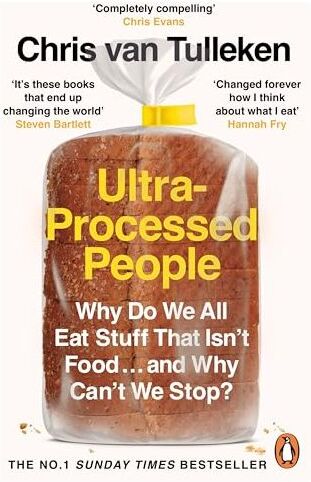
Penguin Ultra-Processed People: Why Do We All Eat Stuff That Isnt Food … and Why Cant We Stop?NOW WITH TWO BONUS CHAPTERS INCLUDING AN FAQTHE NUMBER ONE SUNDAY TIMES BESTSELLERFORTNUM & MASON'S DEBUT FOOD BOOK OF THE YEAR 2024A TIMES AND SUNDAY TIMES SCIENCE BOOK OF THE YEAR 2023AN ECONOMIST, DAILY MAIL, GOOD HOUSEKEEPING and AMAZON BEST BOOK OF THE YEAR 2023SHORTLISTED FOR WATERSTONE'S BOOK OF THE YEAR 2023Chosen by the SUNDAY TIMES, GUARDIAN, FT and DAILY MAIL as one of their BEST SUMMER BOOKS OF 2023'If you only read one diet or nutrition book in your life, make it this one' Bee Wilson'A devastating, witty and scholarly destruction of the shit food we eat and why' Adam Rutherford---An eye-opening investigation into the science, economics, history and production of ultra-processed food. It's not you, it's the food. We have entered a new 'age of eating' where most of our calories come from an entirely novel set of substances called Ultra-Processed Food, food which is industrially processed and designed and marketed to be addictive. But do we really know what it's doing to our bodies?Join Chris in his travels through the world of food science and a UPF diet to discover what's really going on. Find out why exercise and willpower can't save us, and what UPF is really doing to our bodies, our health, our weight, and the planet (hint: nothing good). For too long we've been told we just need to make different choices, when really we're living in a food environment that makes it nigh-on impossible. So this is a book about our rights. The right to know what we eat and what it does to our bodies and the right to good, affordable food. Number 1 Sunday Times bestseller, August 202310,95 £*Shipping: 2,99 £Secure redirect to the provider
-
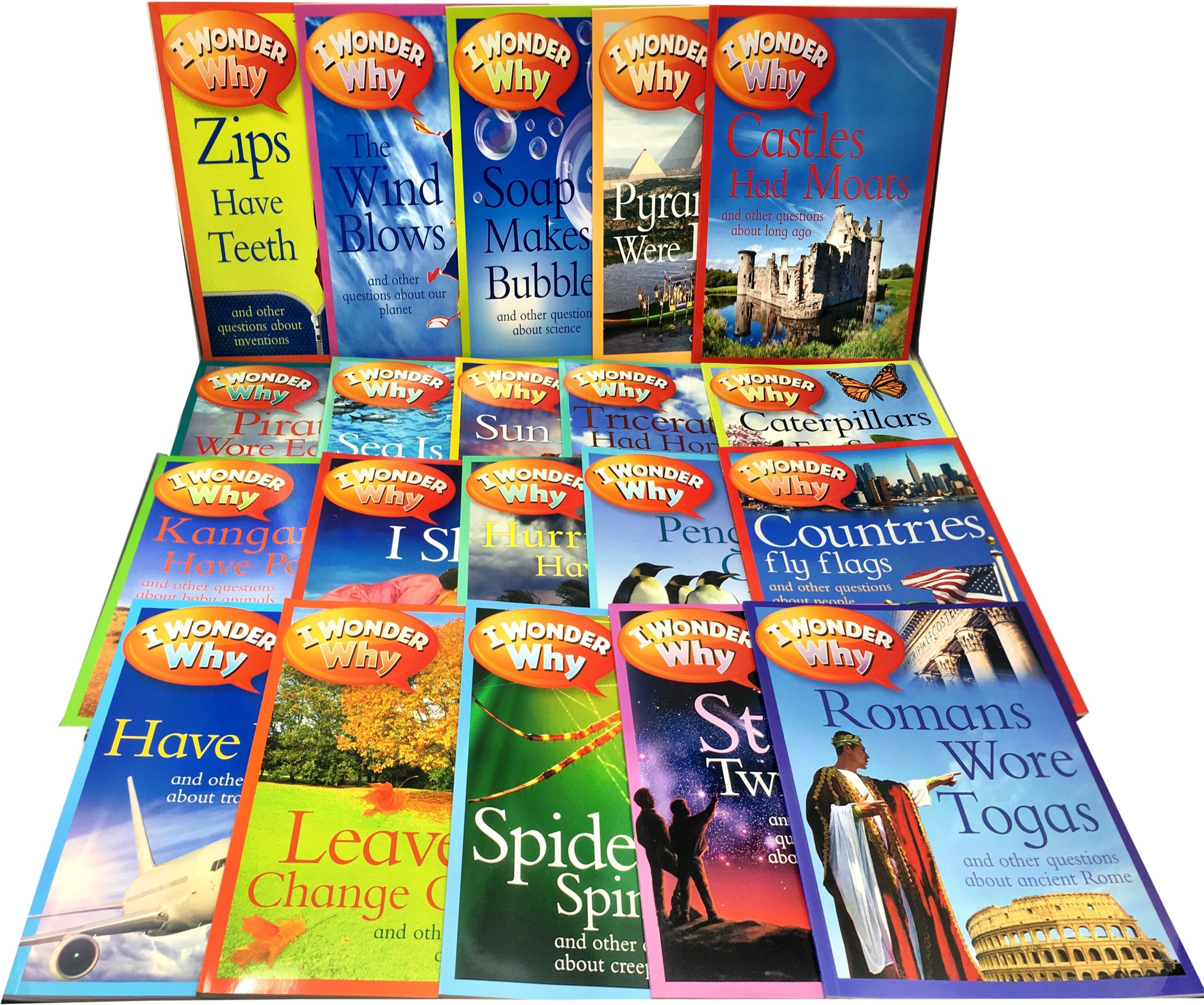
MACMILLAN I Wonder Why Collection 20 Books SetTitles in this Set Castles Had Moats Caterpillars Eat So Much Countries Fly Flags Hurricanes Have Eyes I Sleep Kangaroos Have Pouches Leaves Change Colour Penguins Can't Fly Pirates Wore Earrings Planes Have Wings Pyramids Were Built Romans Wore Togas The Sea is Salty Soap Makes Bubbles Spiders Spin Webs Stars Twinkle The Sun Rises Triceratops Had Horns The Wind Blows Zips Have Teeth22,95 £*Shipping: 2,99 £Secure redirect to the provider
-
O'Neill s Why 2K Shorts in Black, Size Small, PolyesterY2K-inspired style meets fleece comfort in this men’s relaxed short. Soft cotton-poly fabric, contrast panels, logo embroidery, and hand pockets keep it dialed from couch to coast. Men's Relaxed Fit Short 80% Cotton/ 20% Polyester Fleece, Weight 280...58,00 $*Shipping: 0,00 $Secure redirect to the provider
-
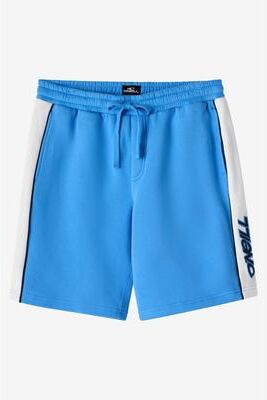
O'Neill s Why 2K Shorts in Blue, Size Medium, PolyesterThe Why 2K Short combines relaxed fit and all-day comfort in premium cotton-poly fleece. Contrast side panels, logo embroidery, and hand pockets keep it stylish and functional. Men's Relaxed Fit Short 80% Cotton, 20% Polyester Fleece, Weight: 280...40,99 $*Shipping: 0,00 $Secure redirect to the provider

-
Why does water not get lost in nature?
Water does not get lost in nature because of the water cycle, which is a continuous process of evaporation, condensation, and precipitation. When water evaporates from bodies of water, it rises into the atmosphere, where it cools and condenses into clouds. Eventually, the condensed water droplets fall back to the Earth as precipitation, replenishing bodies of water and continuing the cycle. This constant recycling of water ensures that it is not lost in nature but rather redistributed and reused. **
-
Why do people work outdoors?
People work outdoors for a variety of reasons. Some people enjoy the fresh air and natural surroundings, finding it more enjoyable and refreshing than being cooped up indoors. Others may work outdoors out of necessity, such as farmers, construction workers, or landscapers whose jobs require them to be outside. Additionally, some people may choose outdoor work for the physical activity and the opportunity to stay active and healthy while on the job. Overall, working outdoors can provide a sense of freedom, connection to nature, and a change of scenery that many people find appealing. **
-
In which profession do you conduct research outdoors in nature?
I conduct research outdoors in nature as a field biologist. This profession involves studying various aspects of plants, animals, and ecosystems in their natural habitats. Field biologists often spend extended periods of time in the field, collecting data, observing behaviors, and conducting experiments to better understand the natural world. This hands-on approach to research allows for a deeper appreciation and insight into the complexities of the environment. **
-
In which profession do people conduct research outdoors in nature?
People who work as field biologists, ecologists, environmental scientists, geologists, or botanists often conduct research outdoors in nature. These professionals study various aspects of the natural world, such as wildlife, ecosystems, geological formations, or plant life, by collecting data and observations directly from the field. Conducting research outdoors allows them to study the environment in its natural state and gain a deeper understanding of the interactions between living organisms and their surroundings. **


Why is nature amoral?
Nature is considered amoral because it operates based on natural laws and processes without any consideration for moral values or ethical principles. In nature, survival of the fittest is a key principle, where organisms compete for resources and adapt to their environment to ensure their own survival. This can result in behaviors that may seem cruel or ruthless from a human perspective, but are necessary for the balance and functioning of ecosystems. Ultimately, nature's amorality is a reflection of its inherent neutrality and lack of consciousness or intentionality in its actions. **
Why is fishing considered boring?
Fishing is considered boring by some people because it can involve long periods of waiting for a bite, which can be seen as monotonous. Additionally, the repetitive nature of casting and reeling in the line can be perceived as dull by those who are not interested in the activity. Some people may also find the quiet and solitary nature of fishing to be unexciting. However, others find the peacefulness and relaxation of fishing to be enjoyable and rewarding. **
Top-Angebote
Products related to Why:
-
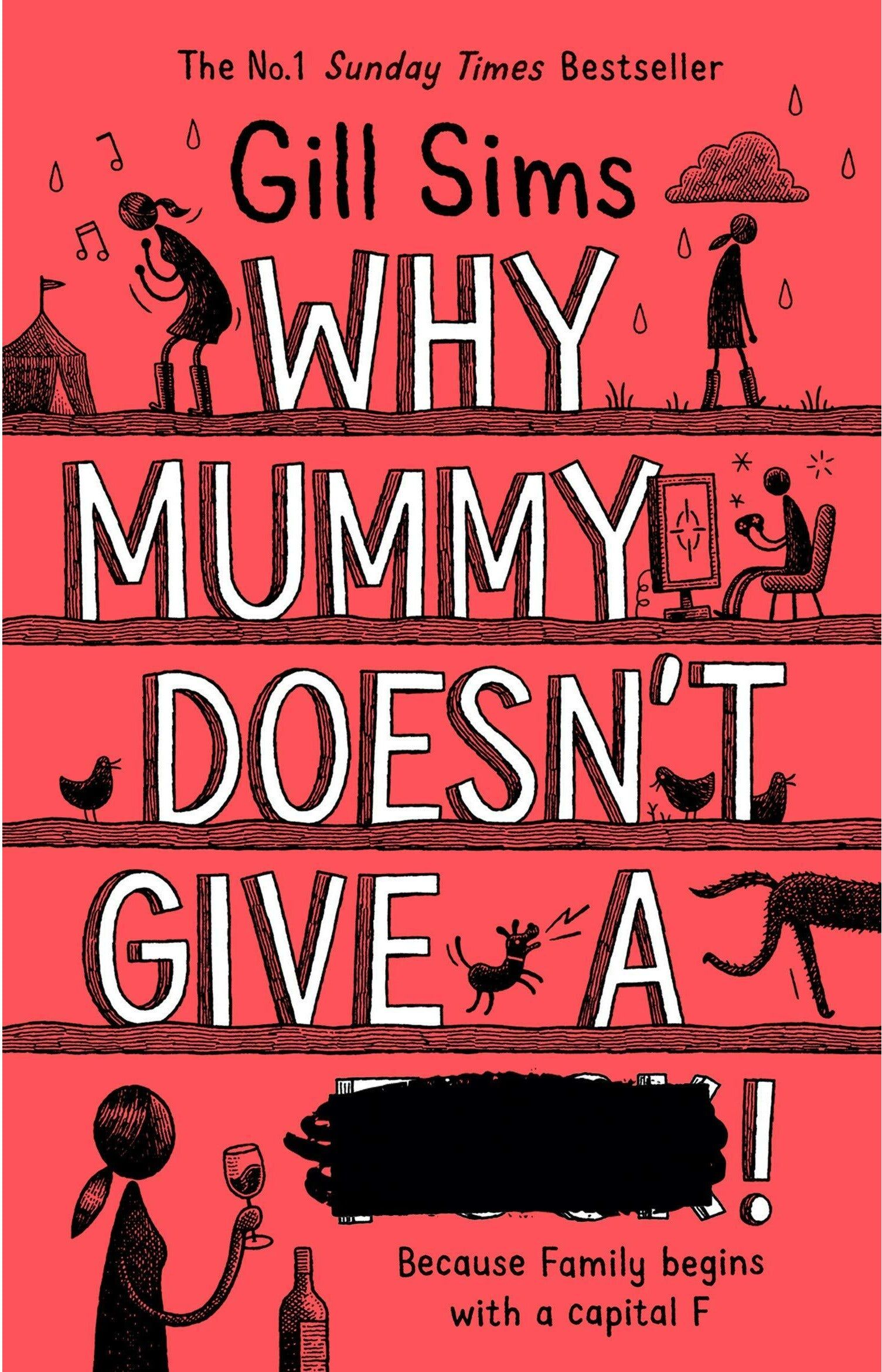
HARPERCOLLINS Gill Sims Why Mummy Series Collection 4 Books Set (Why Mummy Drinks, Why Mummy Swears, Why Mummy Does not Give a, Why Mummys Sloshed)Why Mummy Drinks It is Mummy’s 39th birthday. She is staring down the barrel of a future of people asking if she wants to come to their advanced yoga classes, and polite book clubs where everyone claims to be tiddly after a glass of Pinot Grigio and says things like ‘Oooh gosh, are you having another glass?’Why Mummy Swears The Boy Child Peter is connected to his iPad by an umbilical cord, The Girl Child Jane is desperate to make her fortune as an Instagram lifestyle influencer, while Daddy is constantly off on exotic business trips…Mummy’s marriage is feeling the strain, her kids are running wild and the house is steadily developing a forest of mould. Only Judgy, the Proud and Noble Terrier, remains loyal as always.Why Mummy Doesn’t Give a ****! Mummy dreams of a quirky rural cottage with roses around the door and chatty chickens in the garden. Life, as ever, is not going quite as she planned. Paxo, Oxo and Bisto turn out to be highly rambunctious, rather than merely chatty, and the roses have jaggy thorns. Her precious moppets are now giant teenagers, and instead of wittering at her about who would win in a fight – a dragon badger or a ninja horse – they are Snapchatting the night away.Why Mummy’s Sloshed Mummy has been a wife and mother for so long that she’s a little bit lost. And despite her best efforts, her precious moppets still don’t know the location of the laundry basket, the difference between being bored and being hungry, or that saying ‘I can’t find it Mummy’ is not the same as actually looking for it.15,95 £*Shipping: 2,99 £Secure redirect to the provider
-
HARPERCOLLINS Lifespan: Why We Age and Why We Dont Have ToLifespan - Why We Age and Why We Dont Have To Description In this paradigm-shifting book from acclaimed Harvard Medical School doctor and one of TIME magazine's 100 most influential people on earth; Dr. David Sinclair reveals that everything we think we know about ageing is wrong; and shares the surprising; scientifically-proven methods that can help readers live younger; longer. For decades; the medical community has looked to a variety of reasons for why we age; and the consensus is that no one dies of old age; they die of age-related diseases. That's because ageing is not a disease - it is inevitable. But what if everything you think you know about ageing is wrong?What if ageing is a disease? And that disease is curable. In LIFESPAN; Dr. David Sinclair; one of the world's foremost authorities on genetics and ageing; argues just that. He has dedicated his life's work to chasing more than a longer lifespan - he wants to enable people to live longer; healthier; and disease-free well into our hundreds. In this book; he reveals a bold new theory of ageing; one that pinpoints a root cause of ageing that lies in an ancient genetic survival circuit. This genetic trick - a circuit designed to halt reproduction in order to repair damage to the genome -has enabled earth's early microcosms to survive and evolve into more advanced organisms. But this same survival circuit is the reason we age: as genetic damage accumulates over our lifespans from UV rays; environmental toxins; and unhealthy diets; our genome is overwhelmed; causing gray hair; wrinkles; achy joints; heart issues; dementia; and; ultimately; death. But genes aren't our destiny; we have more control over them than we've been taught to believe. We can't change our DNA; but we can harness the power of the epigenome to realise the true potential of our genes. Drawing on his cutting-edge findings at the forefront of medical research; Dr. Sinclair will provide a scientifically-proven roadmap to reverse the genetic clock by activating our vitality genes; so we can live younger longer. Readers will discover how a few simple lifestyle changes - like intermittent fasting; avoiding too much animal protein; limiting sugar; avoiding x-rays; exercising with the right intensity; and even trying cold therapy - can activate our vitality genes. Dr. Sinclair ends the book with a look to the near future; exploring what the world might look like - and what will need to change - when we are all living well to 120 or more. Dr. Sinclair takes what we have long accepted as the limits of human potential and mortality and turns them into choices. THE EVOLUTION OF AGEING is destined to be the biggest book on genes; biology; and longevity of this decade.7,95 £*Shipping: 2,99 £Secure redirect to the provider
-
Penguin Ultra-Processed People: Why Do We All Eat Stuff That Isnt Food … and Why Cant We Stop?NOW WITH TWO BONUS CHAPTERS INCLUDING AN FAQTHE NUMBER ONE SUNDAY TIMES BESTSELLERFORTNUM & MASON'S DEBUT FOOD BOOK OF THE YEAR 2024A TIMES AND SUNDAY TIMES SCIENCE BOOK OF THE YEAR 2023AN ECONOMIST, DAILY MAIL, GOOD HOUSEKEEPING and AMAZON BEST BOOK OF THE YEAR 2023SHORTLISTED FOR WATERSTONE'S BOOK OF THE YEAR 2023Chosen by the SUNDAY TIMES, GUARDIAN, FT and DAILY MAIL as one of their BEST SUMMER BOOKS OF 2023'If you only read one diet or nutrition book in your life, make it this one' Bee Wilson'A devastating, witty and scholarly destruction of the shit food we eat and why' Adam Rutherford---An eye-opening investigation into the science, economics, history and production of ultra-processed food. It's not you, it's the food. We have entered a new 'age of eating' where most of our calories come from an entirely novel set of substances called Ultra-Processed Food, food which is industrially processed and designed and marketed to be addictive. But do we really know what it's doing to our bodies?Join Chris in his travels through the world of food science and a UPF diet to discover what's really going on. Find out why exercise and willpower can't save us, and what UPF is really doing to our bodies, our health, our weight, and the planet (hint: nothing good). For too long we've been told we just need to make different choices, when really we're living in a food environment that makes it nigh-on impossible. So this is a book about our rights. The right to know what we eat and what it does to our bodies and the right to good, affordable food. Number 1 Sunday Times bestseller, August 202310,95 £*Shipping: 2,99 £Secure redirect to the provider
-
MACMILLAN I Wonder Why Collection 20 Books SetTitles in this Set Castles Had Moats Caterpillars Eat So Much Countries Fly Flags Hurricanes Have Eyes I Sleep Kangaroos Have Pouches Leaves Change Colour Penguins Can't Fly Pirates Wore Earrings Planes Have Wings Pyramids Were Built Romans Wore Togas The Sea is Salty Soap Makes Bubbles Spiders Spin Webs Stars Twinkle The Sun Rises Triceratops Had Horns The Wind Blows Zips Have Teeth22,95 £*Shipping: 2,99 £Secure redirect to the provider
-
Why do some people not like being outdoors in nature?
Some people may not like being outdoors in nature due to a fear of insects or animals, discomfort with unpredictable weather conditions, or a preference for indoor activities. Others may have physical limitations that make it difficult to navigate outdoor terrain or may simply feel more at ease in urban environments. Additionally, some individuals may have had negative past experiences in nature that have influenced their perception of outdoor spaces. **
-
Which hobbies involve being outdoors in nature?
Hobbies that involve being outdoors in nature include hiking, birdwatching, gardening, camping, fishing, and photography. These activities allow individuals to connect with the natural world, breathe in fresh air, and enjoy the beauty of the outdoors. Engaging in these hobbies can also provide physical and mental health benefits, such as reducing stress and increasing physical activity. **
-
Why does water not get lost in nature?
Water does not get lost in nature because of the water cycle, which is a continuous process of evaporation, condensation, and precipitation. When water evaporates from bodies of water, it rises into the atmosphere, where it cools and condenses into clouds. Eventually, the condensed water droplets fall back to the Earth as precipitation, replenishing bodies of water and continuing the cycle. This constant recycling of water ensures that it is not lost in nature but rather redistributed and reused. **
-
Why do people work outdoors?
People work outdoors for a variety of reasons. Some people enjoy the fresh air and natural surroundings, finding it more enjoyable and refreshing than being cooped up indoors. Others may work outdoors out of necessity, such as farmers, construction workers, or landscapers whose jobs require them to be outside. Additionally, some people may choose outdoor work for the physical activity and the opportunity to stay active and healthy while on the job. Overall, working outdoors can provide a sense of freedom, connection to nature, and a change of scenery that many people find appealing. **
Similar search terms for Why
-
O'Neill s Why 2K Shorts in Black, Size Small, PolyesterY2K-inspired style meets fleece comfort in this men’s relaxed short. Soft cotton-poly fabric, contrast panels, logo embroidery, and hand pockets keep it dialed from couch to coast. Men's Relaxed Fit Short 80% Cotton/ 20% Polyester Fleece, Weight 280...58,00 $*Shipping: 0,00 $Secure redirect to the provider
-
O'Neill s Why 2K Shorts in Blue, Size Medium, PolyesterThe Why 2K Short combines relaxed fit and all-day comfort in premium cotton-poly fleece. Contrast side panels, logo embroidery, and hand pockets keep it stylish and functional. Men's Relaxed Fit Short 80% Cotton, 20% Polyester Fleece, Weight: 280...40,99 $*Shipping: 0,00 $Secure redirect to the provider
-
Usborne What's Happening To Me? The Girl One (What and Why)This is a brand-new edition, with new content and all-new artwork, of THE go-to book for children to learn the facts of life. Aimed primarily at female readers, the book includes discussion of sex and gender identity, and sexuality. Using frank but clear and friendly language and pictures, this book explains all the changes that people with female bodies can expect to experience as they enter puberty. This ranges from physical body changes and new experiences such as what periods are and how to handle them, all the way to mental and emotional challenges that come with growing older and becoming more independent. The book is aimed at readers age 10 and up, who are likely just at the very start of their own puberty journey. Material is based on the original best-seller by Sue Meredith, but with new writing and expert input from professional sex educators and gender consultants.4,99 £*Shipping: 1,99 £Secure redirect to the provider
-
O'Neill s Why 2K Shorts in Black, Size Medium, PolyesterY2K-inspired style meets fleece comfort in this men’s relaxed short. Soft cotton-poly fabric, contrast panels, logo embroidery, and hand pockets keep it dialed from couch to coast. Men's Relaxed Fit Short 80% Cotton/ 20% Polyester Fleece, Weight 280...58,00 $*Shipping: 0,00 $Secure redirect to the provider
-
In which profession do you conduct research outdoors in nature?
I conduct research outdoors in nature as a field biologist. This profession involves studying various aspects of plants, animals, and ecosystems in their natural habitats. Field biologists often spend extended periods of time in the field, collecting data, observing behaviors, and conducting experiments to better understand the natural world. This hands-on approach to research allows for a deeper appreciation and insight into the complexities of the environment. **
-
In which profession do people conduct research outdoors in nature?
People who work as field biologists, ecologists, environmental scientists, geologists, or botanists often conduct research outdoors in nature. These professionals study various aspects of the natural world, such as wildlife, ecosystems, geological formations, or plant life, by collecting data and observations directly from the field. Conducting research outdoors allows them to study the environment in its natural state and gain a deeper understanding of the interactions between living organisms and their surroundings. **
-
Why is nature amoral?
Nature is considered amoral because it operates based on natural laws and processes without any consideration for moral values or ethical principles. In nature, survival of the fittest is a key principle, where organisms compete for resources and adapt to their environment to ensure their own survival. This can result in behaviors that may seem cruel or ruthless from a human perspective, but are necessary for the balance and functioning of ecosystems. Ultimately, nature's amorality is a reflection of its inherent neutrality and lack of consciousness or intentionality in its actions. **
-
Why is fishing considered boring?
Fishing is considered boring by some people because it can involve long periods of waiting for a bite, which can be seen as monotonous. Additionally, the repetitive nature of casting and reeling in the line can be perceived as dull by those who are not interested in the activity. Some people may also find the quiet and solitary nature of fishing to be unexciting. However, others find the peacefulness and relaxation of fishing to be enjoyable and rewarding. **
* All prices are inclusive of VAT and, if applicable, plus shipping costs. The offer information is based on the details provided by the respective shop and is updated through automated processes. Real-time updates do not occur, so deviations can occur in individual cases. ** Note: Parts of this content were created by AI.